
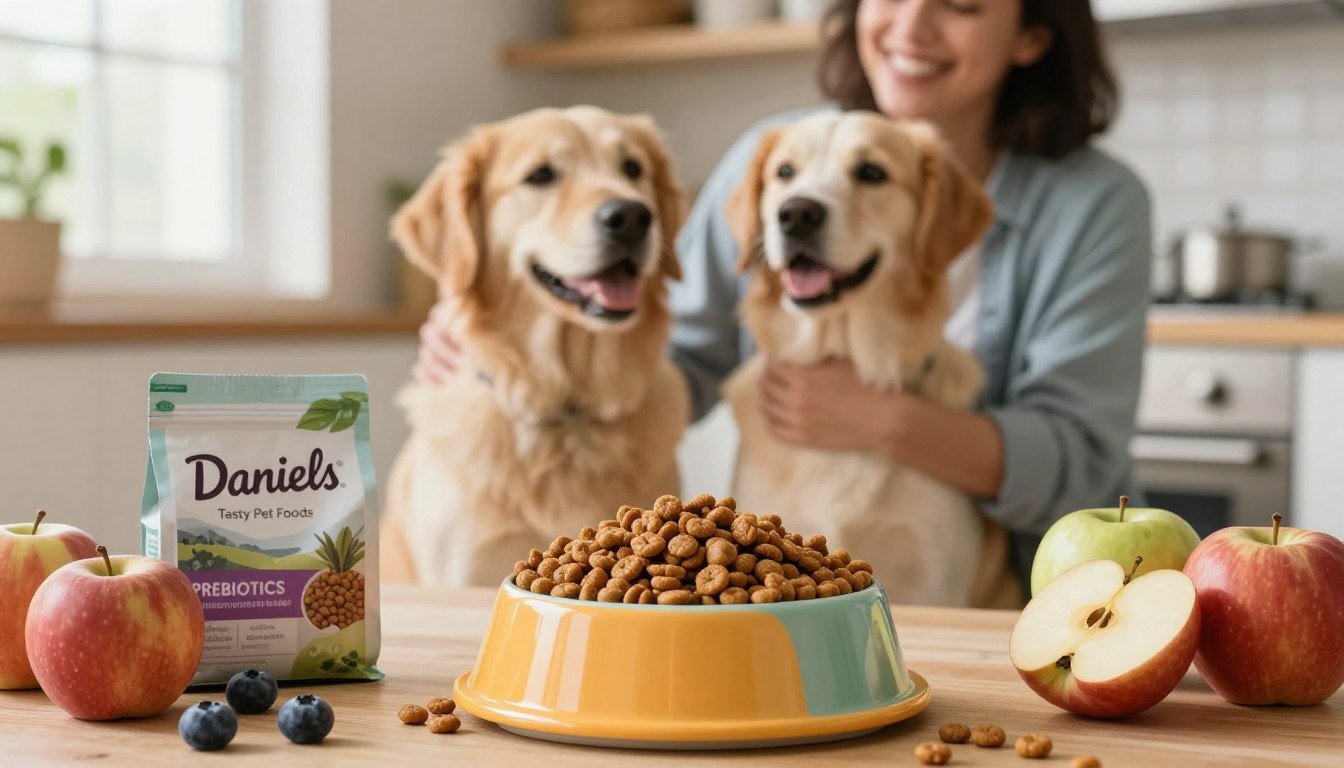
Every pet parent wants their furry companion to feel their absolute best. A vital part of this journey involves understanding dog gut health, which serves as the foundation for overall vitality. By nurturing the canine gut microbiome, you can positively influence digestion, stool quality, and long-term wellness.
Think of your pet’s internal system as a complex garden. Probiotics for dogs act as the beneficial seeds, introducing live micro-organisms that support a balanced intestinal environment. Meanwhile, prebiotics provide the essential nourishment these good bacteria need to thrive and flourish.
It is important to remember that these supplements work best when they complement a high-quality diet. Always consult your vet to ensure your chosen approach aligns with your pet’s specific medical needs. With the right balance, you can help your loyal friend maintain a happy, healthy tummy every single day.
Key Takeaways
- A healthy gut microbiome is essential for your pet’s digestion and general wellbeing.
- Beneficial bacteria help maintain a balanced intestinal environment in your canine.
- Supplements should always be used alongside a balanced diet and professional veterinary advice.
- Nourishing good bacteria with the right nutrients supports long-term digestive stability.
- Consistent care helps improve stool quality and overall comfort for your pet.
What Prebiotics and Probiotics for dogs Actually Do
Your dog’s digestive system is a complex environment that relies on a delicate balance of tiny organisms. When this balance is maintained, your pet feels their best and thrives. Understanding how prebiotics for dogs and probiotics work can help you make informed choices for your companion’s long-term wellness.
Prebiotics: Fuel for Helpful Gut Bacteria
Prebiotics are essentially specialised plant fibres that act as food for the beneficial microbes living in your dog’s gut. Unlike other nutrients, these fibres are not broken down in the upper digestive tract.
Instead, they travel safely through the stomach and small intestine to reach the large intestine. Once they arrive, they provide the necessary fuel for healthy gut bacteria in dogs to flourish and multiply. This process helps create a thriving environment where good bacteria can outcompete harmful ones.
Probiotics: Live Micro-organisms That Support Gut Health
While prebiotics provide the fuel, probiotics are the live micro-organisms themselves. When consumed, these beneficial bacteria help populate the gut with diverse, helpful strains. It is important to remember that the effectiveness of these supplements depends on several factors:
- The specific strain of bacteria used in the product.
- The overall quality and stability of the supplement.
- The individual health status of your dog.
Not all products are created equal, so choosing high-quality options is vital for supporting dog digestive health. These supplements are not a cure for disease, but they serve as a valuable tool for maintaining balance.
How the Canine Gut Microbiome Affects Digestion and Immunity
The canine gut microbiome is a bustling community that does much more than just break down food. It plays a crucial role in how your pet processes various dietary components, ensuring they absorb the nutrients they need to stay active.
Furthermore, the gut is closely linked to the immune system. A significant portion of a dog’s immune tissue resides in the digestive tract, where it communicates constantly with the microbiome. By supporting dog digestion, you are indirectly helping your pet maintain a robust immune response. Keeping this internal ecosystem in harmony is a wonderful way to support your dog’s overall vitality.
Potential Benefits for Your Dog’s Digestion and Wellbeing
A balanced digestive system serves as the foundation for your dog’s long-term vitality. By incorporating gut health supplements for dogs into their routine, you may help maintain a harmonious internal environment. While every dog is unique, many owners notice positive shifts in their pet’s overall comfort levels.
Supporting Regular Stools and Comfortable Digestion
One of the primary probiotic benefits for dogs is the promotion of consistent, healthy bowel movements. These beneficial microbes help break down food efficiently, which often leads to firmer stools and less gas. Using high-quality dog supplements for digestion can assist in keeping the intestinal tract running smoothly.
When the gut flora remains balanced, your dog is less likely to experience occasional digestive upset. It is important to remember that individual results vary based on breed, age, and current health status. Always monitor your pet for any changes in their daily habits.
Helping Maintain a Healthy Immune Response
The canine gut is home to a vast community of bacteria that interact closely with the dog immune system. By supporting dog immunity through a healthy microbiome, you provide your pet with a stronger internal defence. A thriving gut environment helps the body distinguish between harmless nutrients and potential threats.
While these supplements are not a cure for illness, they play a vital role in general wellness. A robust gut barrier often leads to a more resilient dog. Think of it as providing the necessary tools for your pet’s body to function at its best.
When Gut Support May Help During Stress or Dietary Changes
Life can be unpredictable, and your dog’s stomach often feels the impact of sudden shifts. Whether you are moving house or switching to a new brand of kibble, the delicate balance of gut bacteria can be easily disrupted. Understanding the prebiotic benefits for dogs during these times can help you manage your pet’s transition more effectively.
Why Antibiotics, Travel and Sudden Food Changes Can Affect Gut Balance
Certain external factors are known to challenge the stability of the canine microbiome. Antibiotics, while necessary for treating infections, often reduce the population of good bacteria alongside the bad. Similarly, the stress of travel or a rapid change in diet can lead to temporary digestive imbalance.
| Factor | Impact on Gut | Recommended Action |
|---|---|---|
| Antibiotics | Reduces beneficial flora | Consult your vet for probiotics |
| Travel Stress | Triggers digestive sensitivity | Maintain familiar feeding times |
| Sudden Food Change | Causes stool inconsistency | Transition over 7-10 days |
| Environmental Stress | Alters gut motility | Provide calm, stable routines |
Gradual transitions are essential when introducing new foods to prevent overwhelming the digestive system. If your dog faces significant stress, professional veterinary guidance ensures you choose the right support for their specific needs. Taking a proactive approach helps keep your companion happy and comfortable.
Choosing and Using a Supplement Safely
Navigating the world of canine gut health starts with understanding how to read a label. When you decide to add a dog probiotic supplement to your pet’s routine, the quality of the product is paramount. Taking a moment to verify the contents ensures you are providing the best possible support for your companion.
What to Look for on a Dog Supplement Label
A reliable dog supplement label should be transparent about what is inside the bottle. You want to see specific information that guarantees the product is both active and effective for your pet.
Strains, Live Cultures, Prebiotic Ingredients and Storage Instructions
Look for products that list specific bacterial strains, such as Enterococcus faecium or Lactobacillus acidophilus. These live cultures for dogs must be present in sufficient quantities, often measured in Colony Forming Units (CFUs). Additionally, check for prebiotic ingredients for dogs like inulin or fructooligosaccharides, which act as food for the beneficial bacteria.
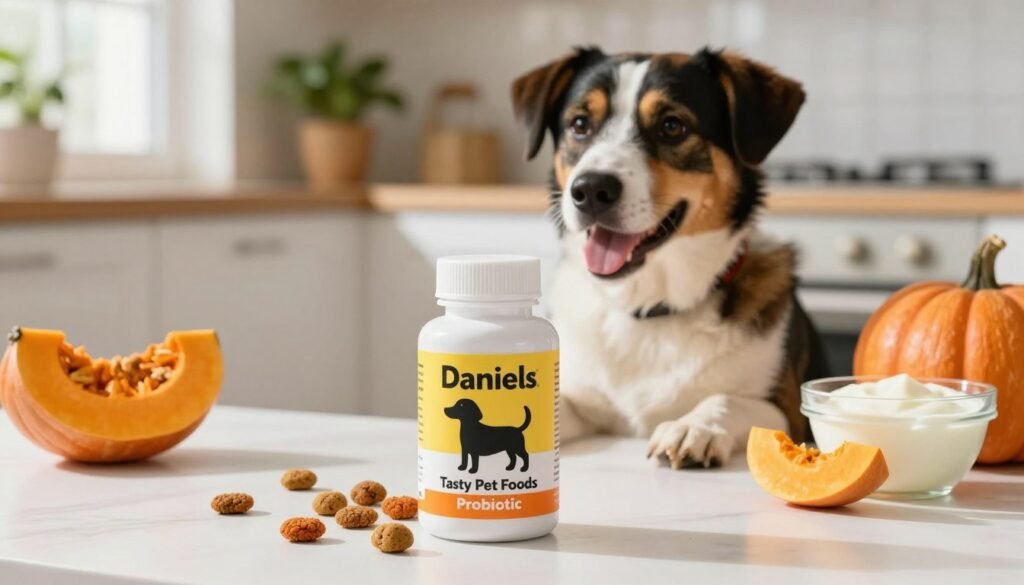
Always verify the expiry date and storage requirements. Many high-quality supplements require refrigeration to keep the cultures alive and potent. If the label lacks clear instructions, it may be best to choose a different brand.
Matching the Product to Your Dog’s Age, Size and Health Needs
Not every supplement is suitable for every dog. Puppies, adults, and seniors have different microbiome requirements, and their size dictates the appropriate dosage. You should always consider your dog’s current diet and any existing health conditions before starting a new regimen.
| Dog Profile | Key Consideration | Supplement Focus |
|---|---|---|
| Puppy | Immune development | Gentle, multi-strain formulas |
| Adult | Maintenance | Balanced fibre and probiotics |
| Senior | Absorption issues | High-potency, easy-digest |
| Sensitive | Allergy risks | Hypoallergenic, single-strain |
How to Introduce Prebiotics and Probiotics Gradually
When you first start a supplement, it is wise to introduce it slowly. Start with a smaller dose than recommended to see how your dog reacts. This approach helps maintain probiotic safety for dogs by preventing sudden changes in the gut environment.
Signs of Intolerance and When to Stop the Supplement
Monitor your dog closely for any adverse reactions during the first week. Common signs of intolerance include:
- Increased flatulence or bloating
- Loose stools or diarrhoea
- Vomiting or loss of appetite
If you notice these symptoms, stop the supplement immediately. Always observe your pet’s behaviour to ensure they remain comfortable and happy.
Why Veterinary Advice Matters for Ongoing Digestive Problems
While supplements are helpful, they are not a cure-all for serious illness. Seeking professional veterinary advice for dog digestive problems is essential if symptoms persist or worsen. A vet can rule out underlying issues like parasites or chronic inflammation that require medical treatment rather than just dietary support.
Conclusion
Achieving optimal dog gut health requires a balanced approach that goes beyond simple marketing promises. Prebiotic benefits for dogs stem from their ability to nourish helpful bacteria, while probiotic benefits for dogs provide the live micro-organisms necessary for a thriving internal ecosystem.
Selecting a high-quality dog probiotic supplement involves looking past flashy packaging. Focus on the specific strains and the reputation of the manufacturer. Careful introduction of these products allows you to monitor how your pet responds over time.
Observation remains your most powerful tool as a pet owner. Watch for changes in energy levels, coat quality, and stool consistency to gauge the effectiveness of your chosen regimen. Small adjustments often lead to significant improvements in daily comfort.
Persistent issues require professional intervention. Always seek veterinary advice for dog digestive problems if symptoms remain severe or do not improve with basic support. Your local clinic provides the diagnostic tools needed to address underlying health concerns effectively.
Commitment to your pet’s long-term vitality starts with informed choices. Share your experiences with other owners or reach out to your vet to discuss the best path forward for your canine companion.