
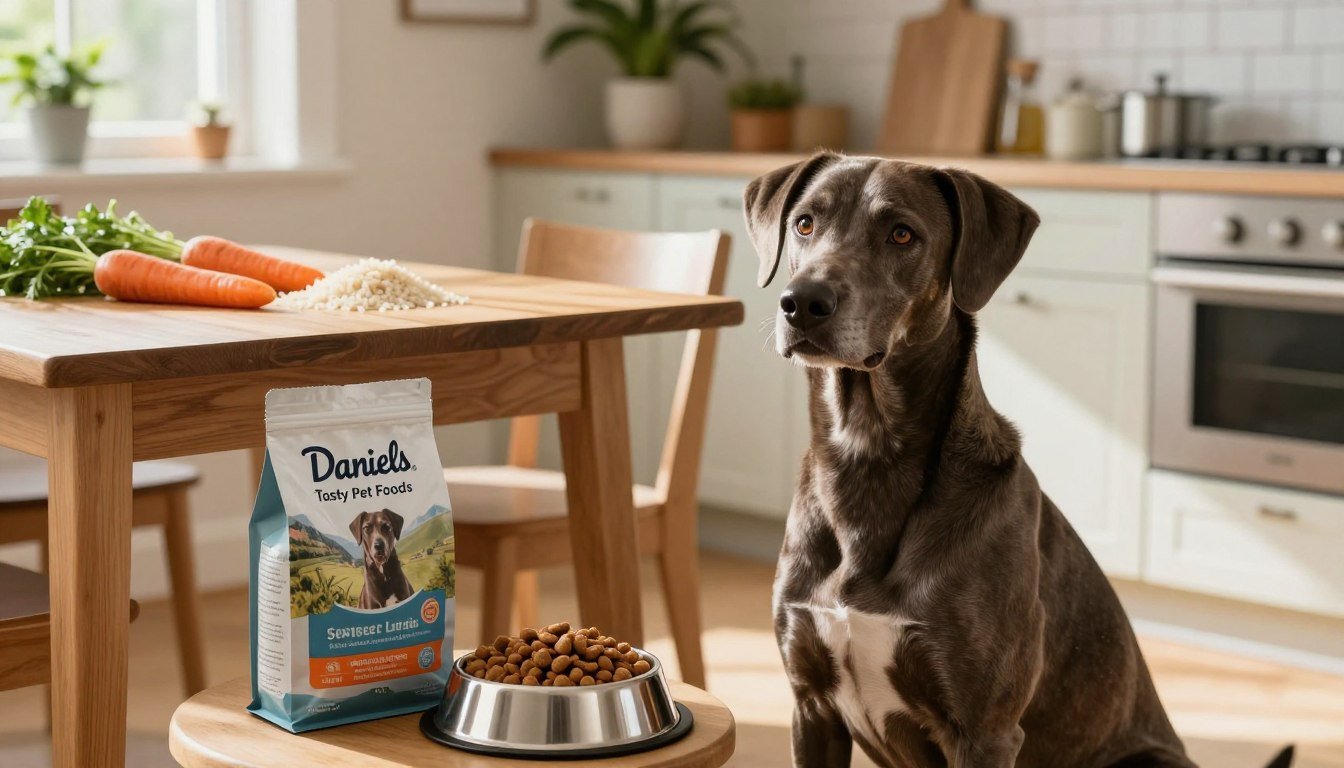
Watching your beloved pet struggle with an upset tummy can be truly distressing. Sensitive digestion is a common issue that impacts many owners, yet understanding how to manage it can significantly improve your companion’s daily comfort.
When sensitive stomach dogs experience frequent bouts of vomiting, diarrhoea, or excessive gas, it is often a sign that their internal system requires extra support. You might also notice your pet eating grass more often or showing a reduced appetite during meal times.
Prioritising dog digestive health through careful dietary management is essential for long-term wellbeing. While feeding dogs a tailored diet can alleviate many minor complaints, persistent symptoms should always be assessed by a veterinary professional. Relying on expert guidance ensures your pet receives the correct care rather than relying on trial and error at home.
Key Takeaways
- Recognise common signs like diarrhoea and gas early.
- Consult a vet if symptoms persist or worsen.
- Focus on high-quality, easily digestible ingredients.
- Avoid sudden changes to your pet’s daily meal routine.
- Monitor your pet’s behaviour for signs of discomfort.
- Professional advice is vital for long-term health management.
Feeding Dogs with Sensitive Digestion: Recognising Dietary Needs
Recognising the subtle signs of sensitive digestion can make a world of difference for your canine companion. Many owners find that their pets experience occasional discomfort, but knowing when this becomes a chronic issue is vital for maintaining their overall health and happiness.
Common signs of digestive sensitivity
When your pet struggles with their food, the body often provides clear signals. You might notice frequent dog vomiting and diarrhoea, which can be distressing for both the animal and the owner. Other common indicators include excessive gas, bloating, persistent restlessness, or a noticeable lack of energy after eating.
Some dogs may also display a reduced appetite or appear to be in pain when their abdomen is touched. While a single episode of an upset stomach might be linked to a minor dietary indiscretion, recurring issues suggest that your pet may benefit from a more digestible dog food tailored to their specific needs.
When to seek veterinary advice
It is important to know when home management is no longer sufficient. Seeking veterinary advice for dogs is essential if you notice blood in the stool, severe dehydration, or significant weight loss. These symptoms can indicate underlying conditions such as parasites, infections, or inflammatory bowel disease.
If your pet appears lethargic or the symptoms persist for more than twenty-four hours, do not wait to contact your local clinic. Professional veterinary advice for dogs ensures that your pet receives an accurate diagnosis and a safe treatment plan.
How allergies, intolerances and sensitive digestion differ
Many people use these terms interchangeably, but they represent different physiological responses. Sensitive stomach dogs often react to the quality or composition of their diet, whereas food allergies in dogs involve an immune system overreaction to specific proteins. Intolerances, by contrast, are usually non-immune reactions that cause digestive upset without triggering an allergic response.
Symptoms that may require a professional assessment
Certain clinical signs require immediate attention to rule out serious health threats. Use the following table to help distinguish between common digestive concerns:
| Condition | Primary Trigger | Key Symptom |
|---|---|---|
| Sensitive Digestion | Dietary quality | Occasional loose stools |
| Food Intolerance | Specific ingredients | Chronic gas and bloating |
| Food Allergies in Dogs | Immune response | Itchy skin and vomiting |
| Severe Illness | Infection or disease | Blood or extreme lethargy |
If you suspect your pet is suffering from food allergies in dogs or chronic sensitive digestion, keep a detailed log of their meals and reactions. This information will be incredibly helpful for your vet when determining the best dog food for sensitive stomach management.
Gentle Foods and Feeding Habits for Better Comfort
Finding the perfect balance in your dog’s diet can significantly improve their overall comfort and wellbeing. When selecting dog food for a sensitive stomach, it is essential to prioritise quality and digestibility to ensure your pet receives all necessary nutrients.

Choosing a digestible, balanced dog food
While a bland diet for dogs, such as boiled chicken and rice, can be helpful during short-term recovery, it lacks the long-term nutritional profile required for health. A high-quality balanced dog food provides the precise vitamins, minerals, and energy levels your dog needs to thrive. Opting for a professional gastrointestinal diet for dogs ensures that every meal supports long-term digestive stability.
Suitable protein, carbohydrate and fibre sources
Focusing on digestible dog food means selecting ingredients that are easy for the body to break down. Lean proteins like turkey or white fish are excellent choices for sensitive systems. Incorporating plain carbohydrates such as oatmeal or sweet potato, alongside fibre sources like pumpkin, can help regulate bowel movements and soothe the gut.
Foods and ingredients to introduce cautiously
When managing a sensitive gut, always choose a low-fat dog food to prevent unnecessary strain on the digestive system. You might also consider adding probiotics for dogs to your routine to support a healthy microbiome. Always introduce new ingredients slowly to monitor how your dog reacts to these changes.
Managing portions, meal frequency and treats
Feeding smaller, more frequent meals throughout the day can prevent the stomach from becoming overwhelmed. When rewarding your pet, stick to healthy dog treats that are free from artificial additives or excessive fats. Consistency in your feeding schedule is key to maintaining a happy, comfortable dog.
Changing food gradually to reduce stomach upset
A gradual food transition is vital when switching to a new diet. Over the course of seven to ten days, slowly mix the new food with the old, increasing the ratio of the new product daily. This method helps prevent sudden reactions and allows the digestive system to adjust comfortably.
Keeping fresh water available
Hydration is a critical component of digestive health. Always ensure fresh water for dogs is available at all times, as it aids in digestion and nutrient absorption. Clean water helps keep the entire system running smoothly and prevents dehydration during bouts of stomach sensitivity.
| Dietary Component | Benefit for Sensitivity | Recommended Source |
|---|---|---|
| Protein | Easier digestion | White fish or turkey |
| Carbohydrate | Gentle energy | Oatmeal or pumpkin |
| Fibre | Regulates transit | Cooked vegetables |
| Supplements | Gut flora support | Probiotics |
Conclusion
Maintaining your pet’s wellbeing requires a commitment to consistent care and informed choices. Relying on high-quality, balanced dog food provides the essential nutrients your companion needs to thrive. While homemade meals might seem appealing, they often lack the precise formulation required for long-term health.
Supporting dog gut health is a continuous process that goes beyond simple ingredient swaps. You should monitor your pet for subtle changes in behaviour or stool quality. If symptoms persist, seeking professional veterinary advice for dogs remains the safest path to identify underlying issues.
Supplements like probiotics for dogs can offer significant benefits, but these should always be part of a structured plan. Discussing any new additions with your vet ensures that your approach remains safe and effective. By focusing on steady routines and expert guidance, you protect your dog digestive health for years to come. Your dedication to these small, daily habits creates a foundation for a vibrant and active life for your loyal friend.
FAQ
What are the most common signs that my dog has sensitive digestion?
Owners often recognise sensitivity through symptoms such as vomiting, diarrhoea, excessive gas, and frequent grass eating. You may also notice bloating, a reduced appetite, or signs of nausea, such as lip-licking. If your dog appears restless or shows signs of fatigue after eating, it is a strong indicator that their gastrointestinal health needs attention.
How do I distinguish between a food allergy, an intolerance, and general sensitivity?
While the terms are often used interchangeably, they differ significantly. A food allergy involves an immune system response, often causing skin irritation and chronic ear infections alongside stomach issues. An intolerance is a chemical reaction to a specific ingredient, like lactose. Sensitive digestion is a more general term for dogs who struggle to process standard proteins or fats, often resulting in poor stool quality.
When should I seek veterinary advice for my dog’s digestive issues?
While a minor dietary indiscretion might pass quickly, you must consult a professional if you notice blood in the stool, lethargy, weight loss, or signs of dehydration. Persistent symptoms could signal underlying conditions such as pancreatitis, parasites, or Inflammatory Bowel Disease (IBD), which require a formal diagnosis rather than home experimentation.
Is a homemade bland diet of chicken and rice suitable for long-term feeding?
A bland diet is excellent for short-term recovery, but it lacks the essential vitamins, minerals, and energy required for long-term health. For sustained management, it is better to transition to a complete commercial hypoallergenic dog food or a specialised range like Royal Canin Gastrointestinal or Hill’s Prescription Diet i/d, which are formulated to be highly digestible while remaining nutritionally balanced.
Which ingredients are best for a dog with a sensitive stomach?
Focus on highly digestible proteins such as white fish, turkey, or hydrolysed protein sources. For carbohydrates, plain rice, oatmeal, and pumpkin are gentle on the gut. Including probiotics and prebiotics, such as those found in Purina Pro Plan FortiFlora, can also help support a healthy microbiome and improve overall nutrient absorption.
What is the safest way to transition my dog to a new food?
To avoid triggering an upset, use a gradual food transition method. Over 7 to 10 days, slowly increase the proportion of the new food while decreasing the old. Start with roughly 25% of the new diet and monitor for any changes in stool quality or gas. Always ensure your dog has access to plenty of fresh water to assist with the digestion of new fibre levels.
Can changing meal frequency improve my dog’s comfort?
Yes, feeding smaller meals more frequently throughout the day can significantly reduce the workload on the digestive system and minimise the risk of bloating. Instead of two large meals, try three or four smaller portions. Additionally, using a slow feeder bowl can prevent your dog from gulping air, which often leads to painful gas and restlessness.
What kind of treats are safe for dogs with digestive sensitivities?
Stick to healthy dog treats with limited ingredients. Avoid high-fat snacks or those containing artificial colours and preservatives. Dehydrated sweet potato slices or small pieces of boiled chicken are often well-tolerated. If you are conducting an elimination diet to identify triggers, ensure that every treat aligns strictly with the chosen protein and carbohydrate sources.