
Feeding Dogs with Sensitive Digestion
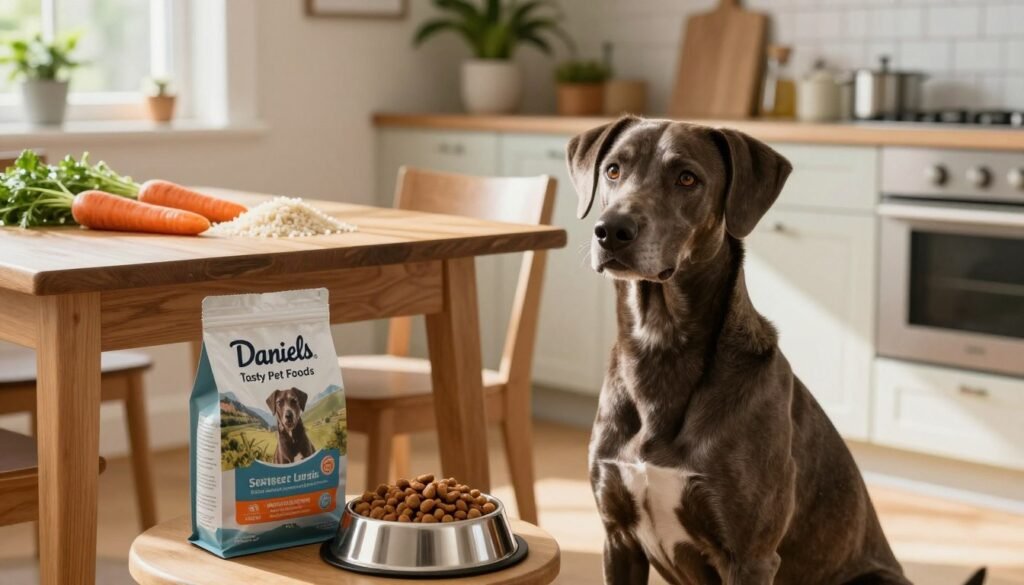
Watching your beloved pet struggle with an upset tummy can be truly distressing. Sensitive digestion is a common issue that impacts many owners, yet understanding how to manage it can significantly improve your companion’s daily comfort. When sensitive stomach dogs experience frequent bouts of vomiting, diarrhoea, or excessive gas, it is often a sign that their internal system requires extra support. You might also notice your pet eating grass more often or showing a reduced appetite during meal times. Prioritising dog digestive health through careful dietary management is essential for long-term wellbeing. While feeding dogs a tailored diet can alleviate many minor complaints, persistent symptoms should always be assessed by a veterinary professional. Relying on expert guidance ensures your pet receives the correct care rather than relying on trial and error at home. Key Takeaways Recognise common signs like diarrhoea and gas early. Consult a vet if symptoms persist or worsen. Focus on high-quality, easily digestible ingredients. Avoid sudden changes to your pet’s daily meal routine. Monitor your pet’s behaviour for signs of discomfort. Professional advice is vital for long-term health management. Feeding Dogs with Sensitive Digestion: Recognising Dietary Needs Recognising the subtle signs of sensitive digestion can make a world of difference for your canine companion. Many owners find that their pets experience occasional discomfort, but knowing when this becomes a chronic issue is vital for maintaining their overall health and happiness. Common signs of digestive sensitivity When your pet struggles with their food, the body often provides clear signals. You might notice frequent dog vomiting and diarrhoea, which can be distressing for both the animal and the owner. Other common indicators include excessive gas, bloating, persistent restlessness, or a noticeable lack of energy after eating. Some dogs may also display a reduced appetite or appear to be in pain when their abdomen is touched. While a single episode of an upset stomach might be linked to a minor dietary indiscretion, recurring issues suggest that your pet may benefit from a more digestible dog food tailored to their specific needs. When to seek veterinary advice It is important to know when home management is no longer sufficient. Seeking veterinary advice for dogs is essential if you notice blood in the stool, severe dehydration, or significant weight loss. These symptoms can indicate underlying conditions such as parasites, infections, or inflammatory bowel disease. If your pet appears lethargic or the symptoms persist for more than twenty-four hours, do not wait to contact your local clinic. Professional veterinary advice for dogs ensures that your pet receives an accurate diagnosis and a safe treatment plan. How allergies, intolerances and sensitive digestion differ Many people use these terms interchangeably, but they represent different physiological responses. Sensitive stomach dogs often react to the quality or composition of their diet, whereas food allergies in dogs involve an immune system overreaction to specific proteins. Intolerances, by contrast, are usually non-immune reactions that cause digestive upset without triggering an allergic response. Symptoms that may require a professional assessment Certain clinical signs require immediate attention to rule out serious health threats. Use the following table to help distinguish between common digestive concerns: Condition Primary Trigger Key Symptom Sensitive Digestion Dietary quality Occasional loose stools Food Intolerance Specific ingredients Chronic gas and bloating Food Allergies in Dogs Immune response Itchy skin and vomiting Severe Illness Infection or disease Blood or extreme lethargy If you suspect your pet is suffering from food allergies in dogs or chronic sensitive digestion, keep a detailed log of their meals and reactions. This information will be incredibly helpful for your vet when determining the best dog food for sensitive stomach management. Gentle Foods and Feeding Habits for Better Comfort Finding the perfect balance in your dog’s diet can significantly improve their overall comfort and wellbeing. When selecting dog food for a sensitive stomach, it is essential to prioritise quality and digestibility to ensure your pet receives all necessary nutrients. Choosing a digestible, balanced dog food While a bland diet for dogs, such as boiled chicken and rice, can be helpful during short-term recovery, it lacks the long-term nutritional profile required for health. A high-quality balanced dog food provides the precise vitamins, minerals, and energy levels your dog needs to thrive. Opting for a professional gastrointestinal diet for dogs ensures that every meal supports long-term digestive stability. Suitable protein, carbohydrate and fibre sources Focusing on digestible dog food means selecting ingredients that are easy for the body to break down. Lean proteins like turkey or white fish are excellent choices for sensitive systems. Incorporating plain carbohydrates such as oatmeal or sweet potato, alongside fibre sources like pumpkin, can help regulate bowel movements and soothe the gut. Foods and ingredients to introduce cautiously When managing a sensitive gut, always choose a low-fat dog food to prevent unnecessary strain on the digestive system. You might also consider adding probiotics for dogs to your routine to support a healthy microbiome. Always introduce new ingredients slowly to monitor how your dog reacts to these changes. Managing portions, meal frequency and treats Feeding smaller, more frequent meals throughout the day can prevent the stomach from becoming overwhelmed. When rewarding your pet, stick to healthy dog treats that are free from artificial additives or excessive fats. Consistency in your feeding schedule is key to maintaining a happy, comfortable dog. Changing food gradually to reduce stomach upset A gradual food transition is vital when switching to a new diet. Over the course of seven to ten days, slowly mix the new food with the old, increasing the ratio of the new product daily. This method helps prevent sudden reactions and allows the digestive system to adjust comfortably. Keeping fresh water available Hydration is a critical component of digestive health. Always ensure fresh water for dogs is available at all times, as it aids in digestion and nutrient absorption. Clean water helps keep the entire system running smoothly and prevents dehydration during bouts of stomach sensitivity. Dietary Component Benefit for Sensitivity Recommended Source
Why Hydration Is Just As Important as Nutrition
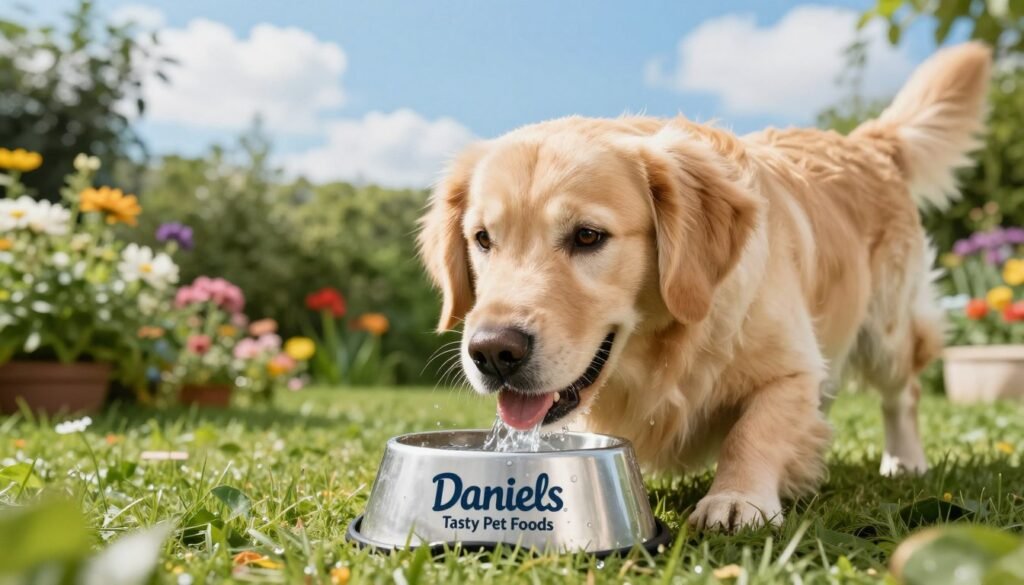
Many pet owners focus heavily on high-quality food, yet they often overlook the importance of water for dogs. Liquid intake acts as the foundation of every biological process, from digestion to temperature regulation. Without enough fluid, your pet cannot thrive. Maintaining healthy hydration supports circulation and waste removal. When you monitor the daily water intake for dogs, you ensure their energy levels remain steady. It is a vital part of wellness that goes beyond simple thirst. Watch closely as changes in behavior or appetite can reveal signs of dehydration in dogs. Early detection helps keep your companion safe. Understanding canine hydration and proper dog hydration ensures a long, happy life. Prioritizing this simple habit is the best gift you can provide. Key Takeaways Water is a critical nutrient that supports every bodily function. Proper fluid levels aid in digestion and temperature control. Monitor your pet’s drinking habits to spot health issues early. Changes in gum moisture or urine output are warning signals. Consistent access to fresh liquid is essential for vitality. How Hydration for Dogs Supports Everyday Health Every cell in your dog’s body relies on consistent water intake to function correctly. While many owners focus heavily on high-quality kibble or raw meals, proper hydration for dogs is the silent engine that keeps their systems running smoothly. Maintaining a healthy balance ensures your pet stays active and vibrant throughout their life. Why Water Is Essential for Canine Body Functions Supporting digestion, circulation, temperature regulation, and waste removal Water acts as the primary transport system for nutrients and oxygen within the bloodstream. It is vital for canine hydration because it helps break down food, allowing the digestive tract to absorb essential vitamins and minerals efficiently. Without enough fluid, the body struggles to process nutrients, which can lead to sluggish digestion. Furthermore, water is the key to maintaining a stable internal temperature. Through panting and skin moisture, dogs release heat to stay cool during exercise. Proper dog water needs also ensure that the kidneys can effectively filter waste products from the blood, keeping the urinary system healthy and free from toxins. How Hydration Works Alongside a Balanced Diet Why nutritious food cannot replace a dog’s daily water needs Many owners wonder if the moisture content in wet food is enough to keep their pets healthy. While high-quality food provides excellent nutrition, it cannot replace the importance of water for dogs. Even the best diet requires additional fluid to maintain the proper electrolyte balance in dogs, which is necessary for muscle function and nerve signaling. Think of hydration and nutrition as two sides of the same coin. Nutritious food provides the building blocks for health, but water is the medium that allows those blocks to be used. Always provide fresh water for dogs to ensure they can supplement their meals whenever they feel thirsty. Recognizing the Effects of Mild Dehydration Common changes in energy, appetite, gums, urine, and behavior Monitoring your pet’s dog drinking habits is a simple way to catch potential issues early. When a dog does not get enough fluids, they may show subtle dehydration symptoms that are easy to miss. You might notice a sudden drop in energy levels or a lack of interest in their favorite treats. Physical signs of low water intake often include dry or tacky gums rather than the usual moist, pink appearance. You may also observe darker, more concentrated urine or a change in your dog’s overall mood. If you notice these signs of dog hydration issues, encourage your pet to drink or consult your veterinarian to ensure their health remains a top priority. How Much Water Dogs Need and What Can Change Their Intake Determining the right amount of water for your dog is not a one-size-fits-all process. While a general rule of thumb suggests about one ounce of water per pound of body weight, your pet’s specific daily water intake for dogs will fluctuate based on their unique biology and environment. Typical Daily Water Needs for Dogs Understanding your dog water needs requires looking at the bigger picture of their health. Most healthy adult dogs regulate their own thirst effectively when fresh water is always available. Factors such as body size, diet, age, activity level, and weather Several variables dictate how much your dog drinks: Body Size: Larger breeds naturally require more volume than smaller ones. Diet: Dogs eating dry kibble need significantly more water than those on a wet or raw food diet. Age: Puppy hydration is critical for growth, while senior dog hydration requires monitoring for underlying health issues. Activity and Weather: High energy levels and warm climates increase the need for fluids. When Dogs May Need More Water There are specific times when your dog’s water intake must be increased to prevent health complications. Keeping a close eye on these situations ensures your pet stays comfortable and safe. Exercise, hot temperatures, illness, pregnancy, nursing, and salty foods You should proactively offer extra water during hydration during exercise or when engaging in outdoor play. Similarly, maintaining proper dog hydration in hot weather is essential to prevent heat exhaustion. Hydration for sick dogs is equally important, especially if they are losing fluids through vomiting or diarrhea. Nursing mothers and dogs that have consumed salty treats will also require additional access to clean water. Condition Hydration Priority Action Required Hot Weather High Provide shade and cool water Heavy Exercise High Frequent water breaks Illness Critical Consult your veterinarian Warning Signs That Require Veterinary Attention Recognizing the signs of dehydration in dogs early can save your pet from a medical emergency. If you notice your dog acting unusually, do not wait to seek professional advice. Severe lethargy, vomiting, diarrhea, refusal to drink, and other urgent symptoms Watch for these dehydration symptoms that indicate a serious problem: Extreme lethargy or sudden collapse. Persistent vomiting or diarrhea. A complete refusal to drink water for several hours. Dry, tacky gums or loss of skin elasticity. If your dog displays these behaviors, contact your veterinarian immediately. Prompt
Signs It’s Time to Change Your Dog’s Diet
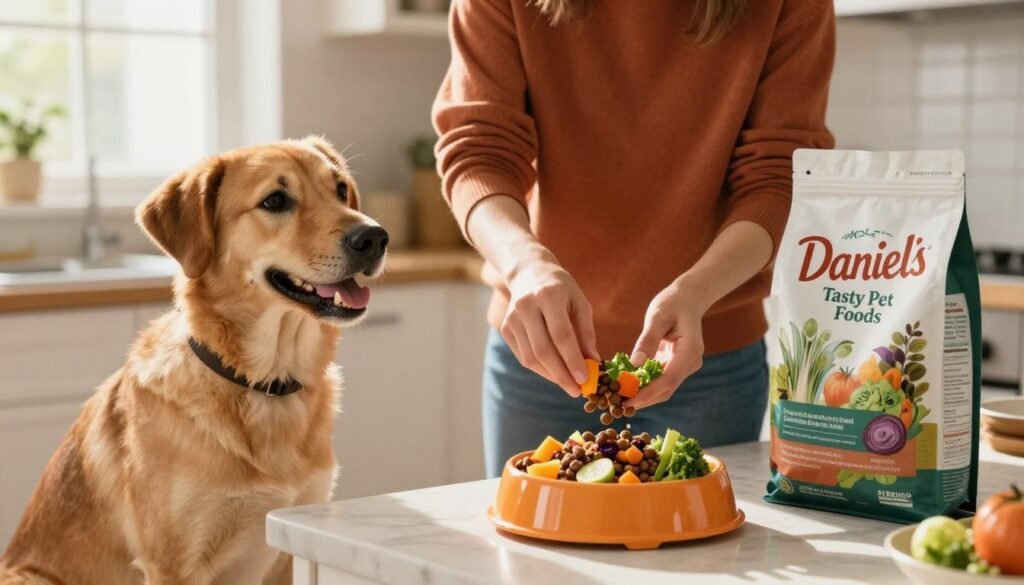
Providing optimal dog nutrition is a fundamental responsibility for every pet owner. As our canine companions progress through various life stages, their physiological requirements naturally shift, necessitating a thoughtful approach to their daily meals. Whether you are transitioning a puppy to adult kibble or addressing specific health concerns, recognising the right moment to modify their bowl is vital. Some adjustments are planned milestones, while others arise from urgent situations like product recalls or sudden illness. Carefully managing a dog diet change helps prevent unnecessary digestive upset. Always consult a veterinary professional before making significant alterations, especially if you notice persistent symptoms or underlying medical conditions. Key Takeaways Monitor life stages to ensure appropriate nutrient intake. Distinguish between planned transitions and urgent medical needs. Prioritise veterinary advice when symptoms of illness appear. Implement a gradual transition to support digestive health. Stay informed about current pet food recalls and safety alerts. Key Signs Your Dog May Need a Different Diet Sometimes, the food in your dog’s bowl might be the hidden cause of their discomfort. While many owners assume that minor ailments are just part of life, your pet’s physical condition often acts as a clear indicator of their nutritional health. It is important to remember that persistent symptoms should always be checked by a vet. Ruling out underlying medical conditions is essential before you decide to switch their kibble or wet food. Persistent digestive problems, including vomiting, diarrhoea and excessive wind If your pet suffers from frequent digestive problems in dogs, it could be a sign that their current diet is not agreeing with them. While occasional tummy upsets happen, chronic vomiting or diarrhoea are not normal. Excessive wind can also suggest that your dog is struggling to digest specific ingredients effectively. Itchy skin, recurring ear problems and possible food intolerance Many owners do not realise that itchy skin in dogs is frequently linked to what they eat. If your companion is constantly scratching or suffering from recurring ear infections, they may be experiencing a dog food intolerance. These reactions often manifest as inflammation, which can be incredibly frustrating for your pet. Low energy, poor concentration or reduced interest in daily activities A healthy dog should generally be bright and alert. If you notice low energy in dogs, it might mean they are not receiving the right balance of nutrients to fuel their day. A lack of interest in walks or play can sometimes be corrected by providing a more nutrient-dense or appropriate diet. Unexplained weight gain, weight loss or changes in body condition Sudden dog weight changes are significant red flags that require your attention. Whether your dog is losing muscle mass or putting on excess weight despite a controlled portion size, the quality of their food could be the culprit. Always monitor their body condition score to ensure they remain at a healthy weight. A dull coat, flaky skin or other visible nutritional concerns Your dog’s coat is often the first place to show signs of a nutritional deficiency. A dull, brittle coat or persistent flaky skin can indicate that they are missing essential fatty acids or vitamins. Providing the right fuel helps maintain a shiny, healthy coat and strong skin barrier. Changes in appetite, thirst or stool quality Sudden shifts in how much your dog eats or drinks can be concerning. If you notice a change in stool quality, such as unusual consistency or frequency, it is time to evaluate their intake. While treats and extras are fun, they can sometimes mask a dog food intolerance or disrupt a balanced diet, so keep a close eye on everything they consume. When Changing Your Dog’s Diet Makes Sense Every dog goes through life stages that require a fresh approach to their daily nutrition. Recognising these milestones ensures your companion receives the precise balance of vitamins and minerals needed for their specific phase of life. Adjusting food for puppies, adult dogs and senior dogs Growth requires high energy, which is why transitioning from puppy to adult dog food is a critical step. Puppies need nutrient-dense meals to support rapid development, while adult dogs require maintenance levels to prevent obesity. As your pet enters their golden years, switching to senior dog food becomes essential. These formulas often contain joint-supporting supplements like glucosamine and are easier to digest for ageing systems. Choosing a suitable diet after neutering, illness or reduced activity Significant life events often trigger a need for a change in caloric intake. Neutering can lower a dog’s metabolic rate, making weight management dog food a sensible choice to prevent unwanted weight gain. Similarly, if your dog has suffered from an illness or has become less active, their energy requirements will drop. Adjusting their portions or switching to a lower-calorie recipe helps maintain a healthy body condition. Matching food to allergies, sensitivities and diagnosed health conditions If your dog suffers from persistent skin irritation or digestive upset, you may need to explore food for allergies. Many owners find success with limited-ingredient diets or hypoallergenic recipes that remove common triggers like wheat or specific proteins. Always consult your vet before making these changes, especially if your dog has a diagnosed health condition. They can help identify whether a prescription diet is necessary to manage symptoms effectively. Checking whether the current food meets your dog’s size and breed needs Not all kibble is created equal, and size matters when it comes to nutrition. Large breeds often require different calcium-to-phosphorus ratios compared to toy breeds to support bone health. Breed Size Nutritional Focus Key Benefit Small/Toy High Calorie Density Supports fast metabolism Medium Balanced Maintenance Supports active lifestyle Large/Giant Joint Support Protects skeletal structure How to change food gradually over seven to ten days A seven day dog food transition is the gold standard for avoiding tummy upsets. Abrupt changes can lead to vomiting or diarrhoea, so patience is key during this process. Introducing small portions of the new food alongside the old diet Start by mixing a small amount of the
The Nutritional Benefits of Beef for Dogs
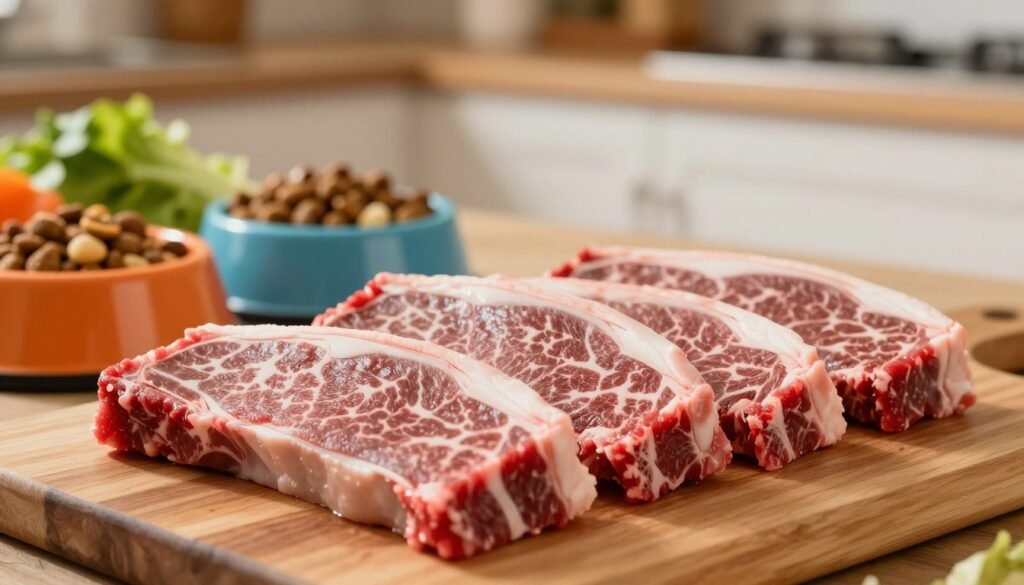
Many owners wonder if adding fresh meat to their pet’s bowl is a wise choice. When considering dog nutrition, it is vital to remember that no single ingredient acts as a complete feeding solution. Instead, think of high-quality meat as a helpful addition to a balanced daily regimen. Plain, cooked meat provides essential nutrients like iron, zinc, and B vitamins. Utilising beef protein for dogs can support muscle maintenance when served in appropriate portions. However, the quality of the cut matters significantly. Choosing lean beef for dogs helps avoid excess fat often found in processed or heavily seasoned alternatives. Always prioritise fresh, unseasoned options to ensure your pet stays healthy. Remember that the overall impact on your companion depends on their individual needs and the quality of their primary meals. Integrating beef for dogs into a diet requires careful planning to ensure your furry friend thrives. Key Takeaways Meat serves as a useful supplement rather than a complete dietary solution. Essential nutrients include iron, zinc, and various B vitamins. Always favour lean cuts to minimise unnecessary fat intake. Preparation methods must avoid seasonings or additives that could harm pets. Individual health requirements should dictate portion sizes and frequency. Benefits of Beef For Dogs Beef serves as a powerhouse of nutrients that can play a vital role in your dog’s daily health. When integrated thoughtfully, the benefits of beef for dogs extend beyond simple taste, offering a dense source of nourishment that supports various bodily functions. Complete, High-Quality Protein for Muscles and Body Repair Beef is widely recognised as a complete protein for dogs. This means it provides all the essential amino acids that your canine companion cannot produce on their own. These amino acids are the building blocks required for maintaining lean muscle mass and repairing tissues after daily activity. By including high-quality protein in their diet, you help ensure your dog stays strong and resilient throughout their life. Iron, Zinc and B Vitamins for Energy and Immune Health Beyond protein, beef is a fantastic source of essential minerals and vitamins. Iron for dogs is crucial for the formation of haemoglobin, which transports oxygen throughout the body to keep energy levels steady. Similarly, zinc for dogs plays a significant role in maintaining healthy skin and a robust immune system. Furthermore, B vitamins for dogs, particularly B12, are vital for normal metabolism and nervous system function. Essential Amino Acids and Nutrients in Lean Beef Choosing lean cuts of beef ensures your pet receives these nutrients without an excessive intake of saturated fats. Lean beef provides a concentrated profile of minerals that support overall vitality. Nutrient Primary Function Benefit to Dog Protein Muscle Repair Supports lean mass Iron Oxygen Transport Boosts energy levels Zinc Immune Support Promotes skin health Vitamin B12 Metabolic Health Aids nervous system When Beef May Support Active, Growing or Underweight Dogs For dogs with higher energy demands, beef for active dogs can be a helpful addition to provide the extra calories and protein needed for endurance. Similarly, beef for underweight dogs may assist in healthy weight gain when served as part of a calorie-controlled plan. It is important to remember that every animal has unique medical needs and calorie requirements. Beef should always be used to enhance an already balanced diet rather than replacing a nutritionally complete dog food. How to Serve Beef Safely as Part of a Balanced Diet Serving beef to your canine companion is a great way to provide high-quality protein, provided you follow specific safety guidelines. While beef is rich in amino acids for dogs, the way you prepare it determines whether it remains a healthy addition or a potential risk to your pet’s wellbeing. Choosing Lean, Plain Beef Without Harmful Seasonings When selecting meat, always opt for lean cuts to avoid excessive fat content. It is vital to ensure the meat is completely plain, as many common kitchen ingredients are toxic to pets. Never use onions, garlic, chives, or leeks, as these can cause serious health issues. Additionally, avoid adding salt, sauces, or spicy seasonings, which can irritate a dog’s digestive system. Safe Cooking Methods and Suitable Portion Sizes Properly cooked beef for dogs is the safest way to serve this protein. Ground beef should always reach an internal temperature of 160°F (71°C) to eliminate harmful bacteria. Once cooked, allow the meat to cool thoroughly before serving. Determining the correct beef portion size for dogs is essential to prevent obesity; generally, treats should not exceed 10% of your dog’s daily caloric intake. Why Raw Beef, Bones, Fat and Processed Beef Need Caution Feeding raw beef for dogs carries significant risks, including exposure to pathogens like Salmonella or E. coli. Furthermore, you must avoid giving your pet cooked beef bones for dogs, as these can splinter and cause internal damage or choking. Fatty trimmings should also be avoided, as they can trigger pancreatitis. Finally, steer clear of processed beef products like sausages or deli meats, which often contain high levels of sodium and preservatives. Introducing Beef Gradually and Monitoring for Allergic Reactions When adding a new food to your dog’s diet, always start with a small amount. Introduce the beef gradually over several days to see how your pet reacts. Watch closely for any signs of an adverse reaction, such as vomiting, diarrhoea, or persistent itching. If you notice these symptoms, discontinue the beef and consult your veterinarian immediately. Balancing Beef with Complete Dog Food and Veterinary Guidance Beef should be viewed as a supplement rather than a replacement for a complete and balanced diet. Most commercial dog foods are already formulated to meet all nutritional requirements. Always speak with your vet before making significant changes to your dog’s meal plan. They can provide tailored advice based on your dog’s specific age, weight, and health status. Practice Status Reasoning Plain, lean beef Recommended High protein, low risk Onions and garlic Prohibited Highly toxic to dogs Cooked bones Prohibited Risk of splintering Gradual introduction Recommended Prevents digestive upset Conclusion Feeding your canine companion high-quality