
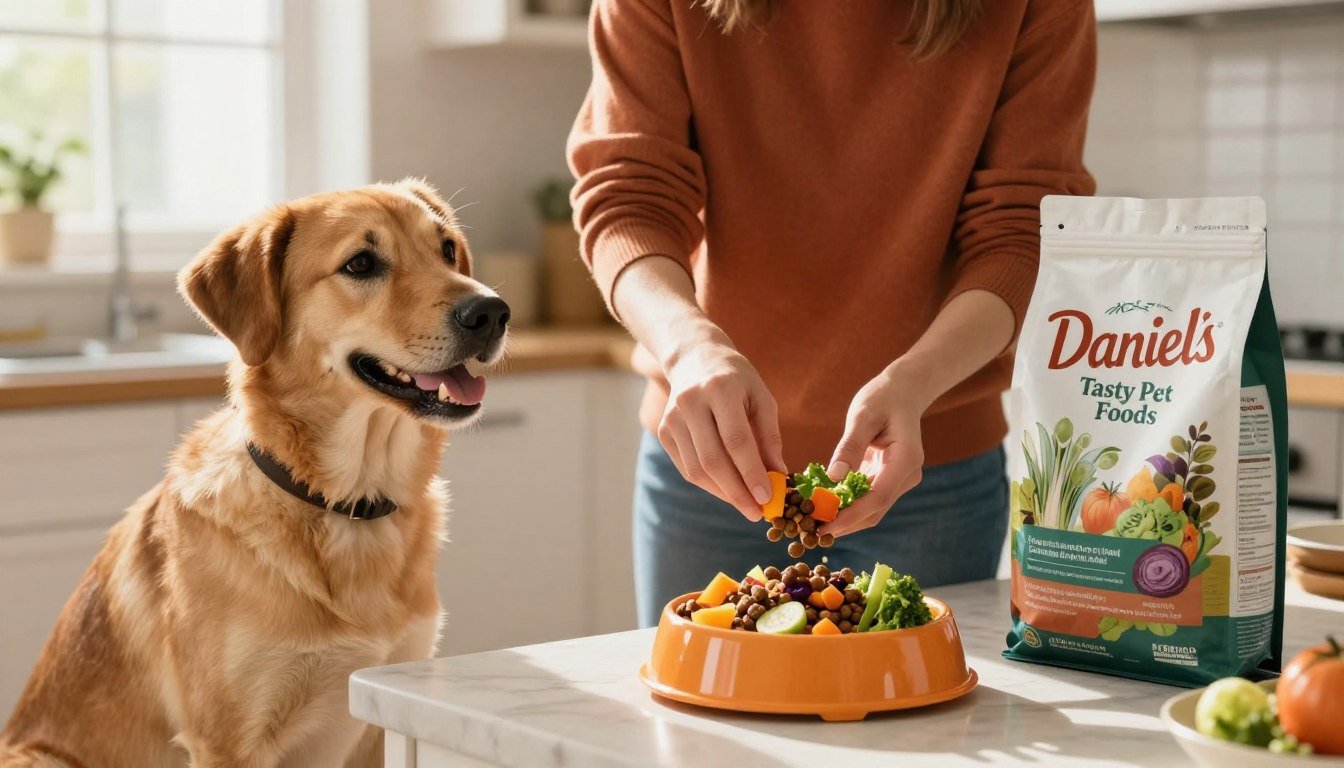
Providing optimal dog nutrition is a fundamental responsibility for every pet owner. As our canine companions progress through various life stages, their physiological requirements naturally shift, necessitating a thoughtful approach to their daily meals.
Whether you are transitioning a puppy to adult kibble or addressing specific health concerns, recognising the right moment to modify their bowl is vital. Some adjustments are planned milestones, while others arise from urgent situations like product recalls or sudden illness.
Carefully managing a dog diet change helps prevent unnecessary digestive upset. Always consult a veterinary professional before making significant alterations, especially if you notice persistent symptoms or underlying medical conditions.
Key Takeaways
- Monitor life stages to ensure appropriate nutrient intake.
- Distinguish between planned transitions and urgent medical needs.
- Prioritise veterinary advice when symptoms of illness appear.
- Implement a gradual transition to support digestive health.
- Stay informed about current pet food recalls and safety alerts.
Key Signs Your Dog May Need a Different Diet
Sometimes, the food in your dog’s bowl might be the hidden cause of their discomfort. While many owners assume that minor ailments are just part of life, your pet’s physical condition often acts as a clear indicator of their nutritional health.
It is important to remember that persistent symptoms should always be checked by a vet. Ruling out underlying medical conditions is essential before you decide to switch their kibble or wet food.
Persistent digestive problems, including vomiting, diarrhoea and excessive wind
If your pet suffers from frequent digestive problems in dogs, it could be a sign that their current diet is not agreeing with them. While occasional tummy upsets happen, chronic vomiting or diarrhoea are not normal. Excessive wind can also suggest that your dog is struggling to digest specific ingredients effectively.
Itchy skin, recurring ear problems and possible food intolerance
Many owners do not realise that itchy skin in dogs is frequently linked to what they eat. If your companion is constantly scratching or suffering from recurring ear infections, they may be experiencing a dog food intolerance. These reactions often manifest as inflammation, which can be incredibly frustrating for your pet.
Low energy, poor concentration or reduced interest in daily activities
A healthy dog should generally be bright and alert. If you notice low energy in dogs, it might mean they are not receiving the right balance of nutrients to fuel their day. A lack of interest in walks or play can sometimes be corrected by providing a more nutrient-dense or appropriate diet.
Unexplained weight gain, weight loss or changes in body condition
Sudden dog weight changes are significant red flags that require your attention. Whether your dog is losing muscle mass or putting on excess weight despite a controlled portion size, the quality of their food could be the culprit. Always monitor their body condition score to ensure they remain at a healthy weight.
A dull coat, flaky skin or other visible nutritional concerns
Your dog’s coat is often the first place to show signs of a nutritional deficiency. A dull, brittle coat or persistent flaky skin can indicate that they are missing essential fatty acids or vitamins. Providing the right fuel helps maintain a shiny, healthy coat and strong skin barrier.
Changes in appetite, thirst or stool quality
Sudden shifts in how much your dog eats or drinks can be concerning. If you notice a change in stool quality, such as unusual consistency or frequency, it is time to evaluate their intake. While treats and extras are fun, they can sometimes mask a dog food intolerance or disrupt a balanced diet, so keep a close eye on everything they consume.
When Changing Your Dog’s Diet Makes Sense
Every dog goes through life stages that require a fresh approach to their daily nutrition. Recognising these milestones ensures your companion receives the precise balance of vitamins and minerals needed for their specific phase of life.
Adjusting food for puppies, adult dogs and senior dogs
Growth requires high energy, which is why transitioning from puppy to adult dog food is a critical step. Puppies need nutrient-dense meals to support rapid development, while adult dogs require maintenance levels to prevent obesity.
As your pet enters their golden years, switching to senior dog food becomes essential. These formulas often contain joint-supporting supplements like glucosamine and are easier to digest for ageing systems.
Choosing a suitable diet after neutering, illness or reduced activity
Significant life events often trigger a need for a change in caloric intake. Neutering can lower a dog’s metabolic rate, making weight management dog food a sensible choice to prevent unwanted weight gain.
Similarly, if your dog has suffered from an illness or has become less active, their energy requirements will drop. Adjusting their portions or switching to a lower-calorie recipe helps maintain a healthy body condition.
Matching food to allergies, sensitivities and diagnosed health conditions
If your dog suffers from persistent skin irritation or digestive upset, you may need to explore food for allergies. Many owners find success with limited-ingredient diets or hypoallergenic recipes that remove common triggers like wheat or specific proteins.
Always consult your vet before making these changes, especially if your dog has a diagnosed health condition. They can help identify whether a prescription diet is necessary to manage symptoms effectively.
Checking whether the current food meets your dog’s size and breed needs
Not all kibble is created equal, and size matters when it comes to nutrition. Large breeds often require different calcium-to-phosphorus ratios compared to toy breeds to support bone health.
| Breed Size | Nutritional Focus | Key Benefit |
|---|---|---|
| Small/Toy | High Calorie Density | Supports fast metabolism |
| Medium | Balanced Maintenance | Supports active lifestyle |
| Large/Giant | Joint Support | Protects skeletal structure |
How to change food gradually over seven to ten days
A seven day dog food transition is the gold standard for avoiding tummy upsets. Abrupt changes can lead to vomiting or diarrhoea, so patience is key during this process.
Introducing small portions of the new food alongside the old diet
Start by mixing a small amount of the new food with the current diet. Gradually increase the ratio of new food while decreasing the old over the course of a week or more.
- Days 1-3: 25% new food, 75% old food.
- Days 4-6: 50% new food, 50% old food.
- Days 7-9: 75% new food, 25% old food.
- Day 10: 100% new food.
Monitoring stools, appetite, energy and skin during the transition
Keep a close eye on your dog throughout this gradual diet transition. Watch for any changes in stool quality, as this is often the first sign that the new food is not agreeing with them.
Monitor their energy levels and skin condition daily. If they seem lethargic or start scratching more, it may indicate an intolerance to an ingredient in the new formula.
Knowing when to stop the switch and contact a vet
If you notice severe vomiting, persistent diarrhoea, or a complete refusal to eat, stop the transition immediately. These symptoms warrant a call to your veterinary clinic to rule out underlying issues.
Always prioritise your dog’s comfort during any dietary change. If you are ever in doubt, your vet is the best resource for tailoring a plan that suits your dog’s unique health profile.
Conclusion
Providing a healthy dog diet requires more than just filling a bowl. Every meal should be a complete and balanced dog food tailored to your pet’s specific life stage and size. While plain chicken and rice might soothe a sensitive stomach for a day, these simple ingredients lack the essential nutrients required for long-term health.
A smooth dog food transition protects your pet from unnecessary digestive stress. You should focus on monitoring a dog after a diet change to ensure their energy levels and stool quality remain stable. Watch for any signs of discomfort during this period.
Rich, fatty foods can trigger serious conditions like pancreatitis. Seek professional veterinary advice on dog food if you notice persistent vomiting, severe diarrhoea, or a complete refusal to eat. These symptoms warrant immediate attention if they last longer than forty-eight hours.
Your choices today shape your dog’s vitality for years to come. Keep a close eye on their body condition and consult your local clinic if you have concerns about their nutritional intake. Small adjustments often lead to significant improvements in your companion’s quality of life.
FAQ
How long should it take to transition my dog to a new food?
To prevent digestive upset, it is best to introduce a new diet gradually over seven to ten days. Start by mixing a small portion of the new food, such as Lily’s Kitchen or Royal Canin, with their current meals. Slowly increase the amount of the new food while decreasing the old until the swap is complete. For dogs with particularly sensitive stomachs, a longer transition of up to two weeks may be necessary.
At what age should I switch from puppy food to adult dog food?
Most dogs transition to adult dog food when they reach physical maturity, which is typically between 12 and 18 months. However, this varies by breed; a small Jack Russell Terrier will mature much faster than a large Labrador Retriever. Matching the calories and nutrients to your dog’s specific growth stage is vital for their long-term health.
What are the signs that my dog might have a food intolerance?
Common symptoms of food intolerance or sensitivities include itchy skin, recurring ear problems, and excessive wind. If you notice your dog is constantly scratching or has flaky skin, it could be a reaction to specific ingredients. In such cases, a vet might recommend a specialised diet from a brand like Hill’s Science Plan to identify the trigger.
Should I change my dog’s diet after they have been neutered?
Many owners find that their dog’s metabolism slows down after neutering. To prevent unexplained weight gain, you may need to switch to a weight management dog food or a “light” formula. Monitoring their body condition closely during this period ensures they stay lean and active.
My dog has persistent diarrhoea; is the food to blame?
While a sudden change in diet can cause diarrhoea or vomiting, persistent symptoms can have causes beyond their meals. If stool quality does not improve after a few days, or if your dog shows signs of low energy, it is important to seek veterinary guidance to rule out underlying illness rather than just performing an automatic food swap.
How can I tell if my senior dog needs a different type of food?
As dogs age, their nutritional requirements change. A senior dog food often contains fewer calories but higher levels of joint support and antioxidants. If your older dog has reduced activity levels or is struggling to maintain a healthy weight, a tailored senior recipe from a trusted brand like Purina Pro Plan can support their overall wellbeing.
Is a dull coat always a sign of poor nutrition?
A dull coat and flaky skin are often visible indicators that a dog’s current food is lacking essential fatty acids, such as Omega-3 and Omega-6. However, because these can also be signs of medical conditions, you should consult a professional to ensure the nutritional needs of your dog’s specific size and breed are being met.
What should I do if my dog’s food is part of a product recall?
In the event of an urgent change caused by a recall, you should stop feeding the product immediately. While we usually recommend a slow transition, your dog’s safety comes first. Swap to a high-quality alternative and monitor them closely for any signs of digestive problems or changes in appetite during the sudden switch.
One Response