
How to Transition Your Dog to a New Food Successfully
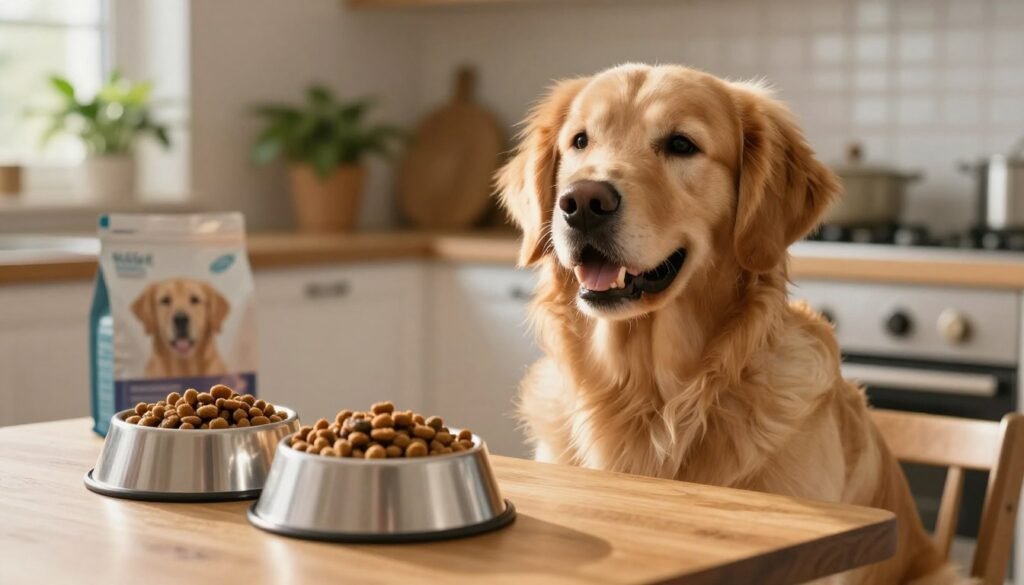
Switching your canine companion’s diet requires patience and care. Gradual adjustments help maintain healthy digestion while preventing tummy upsets during the process. By slowly introducing different ingredients, you ensure that their system adapts comfortably without stress. We recommend a simple seven-day schedule for changing dog food. Start by mixing roughly 25 per cent of the fresh meal with their current bowl. Increase this portion steadily over the week while monitoring their stools, energy levels, and overall appetite. Every pet is unique, so feel free to adjust this timeline based on individual comfort. If your furry friend has specific health concerns, please consult a vet before making any dietary modifications. Prioritising their wellbeing makes the entire experience much smoother for everyone involved. Key Takeaways Always prioritise a slow, seven-day period for dietary changes. Monitor your pet’s stools and energy levels throughout the process. Start with a small portion of the fresh meal to support digestion. Adjust the schedule if your companion shows signs of discomfort. Consult a veterinary professional if your pet has existing health issues. Why a Gradual Food Change Matters Your dog’s stomach is sensitive, making the way you introduce new food vital for their wellbeing. A gradual food change allows your pet’s internal systems to adapt to different ingredients and nutrient profiles without unnecessary stress. By taking your time, you help ensure that your companion remains happy and healthy throughout the process. How Sudden Changes Can Upset Your Dog’s Digestive System The dog digestive system relies on a delicate balance of gut bacteria to process nutrients efficiently. When you implement a sudden diet change dogs often experience significant internal disruption. This abrupt shift can overwhelm their system, leading to an inability to break down the new ingredients properly. Signs That Your Dog May Not Be Tolerating the New Food Monitoring your pet closely is essential when introducing a new diet. Recognising the signs dog food intolerance early can prevent minor issues from becoming serious health concerns. Vomiting, diarrhoea and excessive gas The most common indicators of a poor reaction are gastrointestinal disturbances. If you notice your dog suffering from frequent vomiting, loose stools, or excessive gas, it is a clear signal that their system is struggling. These symptoms often occur when the transition is rushed or the new food is not a good match for their specific needs. Loss of appetite, lethargy and discomfort Beyond physical digestive issues, watch for changes in your dog’s overall demeanour. A sudden loss of appetite or noticeable lethargy can indicate that your dog is feeling unwell. If your pet appears restless or shows signs of physical discomfort after eating, you should pause the transition immediately. When to Speak with Your Vet Before Changing Food While many transitions go smoothly, some dogs require professional guidance. You should always consult your veterinarian before starting a new diet if your dog has a history of chronic digestive problems or ongoing illnesses. Professional advice is also crucial for dogs with known dietary sensitivities or allergies. Do not dismiss persistent symptoms as a normal part of the adjustment period. If your dog refuses to eat or shows marked lethargy, please reach out to your vet to ensure there is no underlying issue. Your vet can provide a tailored plan to keep your dog safe and comfortable. How to Transition Your Dog to a New Food Successfully transitioning your dog to a new food is a process that rewards patience and planning. By following a structured method, you can help your pet adjust comfortably without causing unnecessary stress to their digestive system. Learning how to transition dog food correctly is the best way to ensure a smooth switch. Choose the Right Time and Prepare Both Foods Before you begin, ensure your dog is healthy and not currently facing any major life stressors, such as moving house or a change in routine. Having both the old and new food on hand is essential for a seamless dog food transition. Check the new food’s ingredients, feeding guidance and suitability Always read the label on the new packaging to understand the nutritional profile. Ensure the feeding guidelines match your dog’s weight and activity level. If you are switching to a sensitive stomach dog food, verify that the ingredients align with your veterinarian’s recommendations. Keep treats, toppers and table scraps consistent During the transition period, try to avoid introducing new treats or human food. Keeping these variables stable helps you monitor how your dog reacts to the new kibble alone. Consistency is key to identifying if the new food is the right fit. Begin with a Small Portion of the New Food Starting slowly allows your dog’s gut bacteria to adapt to the new ingredients. This gradual introduction is the foundation of a successful diet change. Days one and two: mix approximately 25 per cent new food with 75 per cent old food For the first two days, combine 25 per cent new food with 75 per cent of their current diet. This small ratio is usually well-tolerated by most dogs. Observe your pet closely during these initial days for any signs of discomfort. Increase the New Food Gradually If your dog shows no signs of digestive upset, you can begin to increase the proportion of the new food. This steady progression helps maintain a healthy balance in their gut. Days three and four: use an even split of old and new food By the third and fourth days, you should aim for a 50/50 mix. This even split helps your dog become accustomed to the new flavour and texture while still relying on the familiar food they know. Days five and six: serve approximately 75 per cent new food As you reach the end of the first week, increase the new food to 75 per cent of the total meal. At this stage, your dog should be showing a positive interest in their bowl. If they seem happy and energetic, you are on the right track. Complete the Change