
The Nutritional Benefits of Beef for Dogs
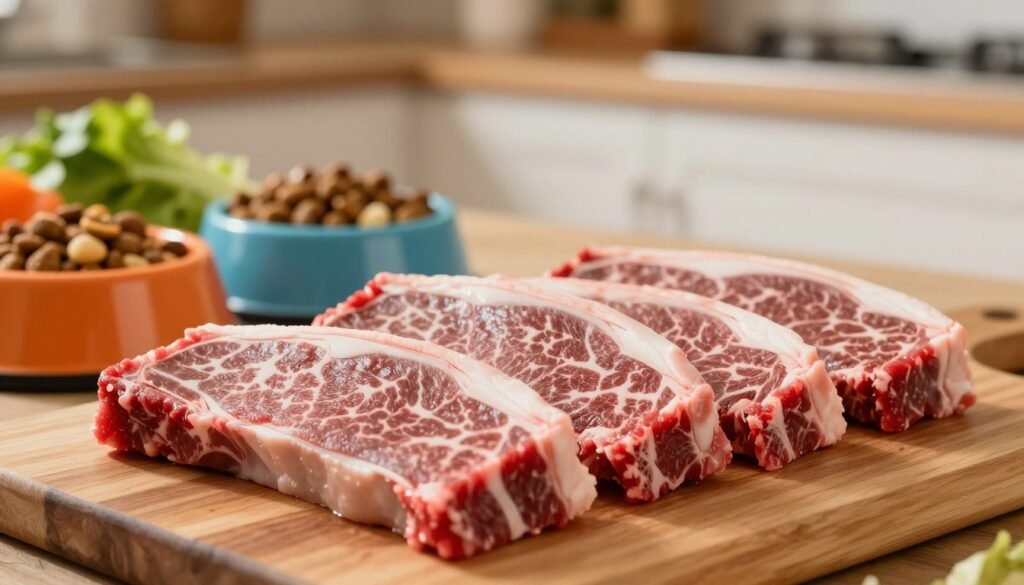
Many owners wonder if adding fresh meat to their pet’s bowl is a wise choice. When considering dog nutrition, it is vital to remember that no single ingredient acts as a complete feeding solution. Instead, think of high-quality meat as a helpful addition to a balanced daily regimen. Plain, cooked meat provides essential nutrients like iron, zinc, and B vitamins. Utilising beef protein for dogs can support muscle maintenance when served in appropriate portions. However, the quality of the cut matters significantly. Choosing lean beef for dogs helps avoid excess fat often found in processed or heavily seasoned alternatives. Always prioritise fresh, unseasoned options to ensure your pet stays healthy. Remember that the overall impact on your companion depends on their individual needs and the quality of their primary meals. Integrating beef for dogs into a diet requires careful planning to ensure your furry friend thrives. Key Takeaways Meat serves as a useful supplement rather than a complete dietary solution. Essential nutrients include iron, zinc, and various B vitamins. Always favour lean cuts to minimise unnecessary fat intake. Preparation methods must avoid seasonings or additives that could harm pets. Individual health requirements should dictate portion sizes and frequency. Benefits of Beef For Dogs Beef serves as a powerhouse of nutrients that can play a vital role in your dog’s daily health. When integrated thoughtfully, the benefits of beef for dogs extend beyond simple taste, offering a dense source of nourishment that supports various bodily functions. Complete, High-Quality Protein for Muscles and Body Repair Beef is widely recognised as a complete protein for dogs. This means it provides all the essential amino acids that your canine companion cannot produce on their own. These amino acids are the building blocks required for maintaining lean muscle mass and repairing tissues after daily activity. By including high-quality protein in their diet, you help ensure your dog stays strong and resilient throughout their life. Iron, Zinc and B Vitamins for Energy and Immune Health Beyond protein, beef is a fantastic source of essential minerals and vitamins. Iron for dogs is crucial for the formation of haemoglobin, which transports oxygen throughout the body to keep energy levels steady. Similarly, zinc for dogs plays a significant role in maintaining healthy skin and a robust immune system. Furthermore, B vitamins for dogs, particularly B12, are vital for normal metabolism and nervous system function. Essential Amino Acids and Nutrients in Lean Beef Choosing lean cuts of beef ensures your pet receives these nutrients without an excessive intake of saturated fats. Lean beef provides a concentrated profile of minerals that support overall vitality. Nutrient Primary Function Benefit to Dog Protein Muscle Repair Supports lean mass Iron Oxygen Transport Boosts energy levels Zinc Immune Support Promotes skin health Vitamin B12 Metabolic Health Aids nervous system When Beef May Support Active, Growing or Underweight Dogs For dogs with higher energy demands, beef for active dogs can be a helpful addition to provide the extra calories and protein needed for endurance. Similarly, beef for underweight dogs may assist in healthy weight gain when served as part of a calorie-controlled plan. It is important to remember that every animal has unique medical needs and calorie requirements. Beef should always be used to enhance an already balanced diet rather than replacing a nutritionally complete dog food. How to Serve Beef Safely as Part of a Balanced Diet Serving beef to your canine companion is a great way to provide high-quality protein, provided you follow specific safety guidelines. While beef is rich in amino acids for dogs, the way you prepare it determines whether it remains a healthy addition or a potential risk to your pet’s wellbeing. Choosing Lean, Plain Beef Without Harmful Seasonings When selecting meat, always opt for lean cuts to avoid excessive fat content. It is vital to ensure the meat is completely plain, as many common kitchen ingredients are toxic to pets. Never use onions, garlic, chives, or leeks, as these can cause serious health issues. Additionally, avoid adding salt, sauces, or spicy seasonings, which can irritate a dog’s digestive system. Safe Cooking Methods and Suitable Portion Sizes Properly cooked beef for dogs is the safest way to serve this protein. Ground beef should always reach an internal temperature of 160°F (71°C) to eliminate harmful bacteria. Once cooked, allow the meat to cool thoroughly before serving. Determining the correct beef portion size for dogs is essential to prevent obesity; generally, treats should not exceed 10% of your dog’s daily caloric intake. Why Raw Beef, Bones, Fat and Processed Beef Need Caution Feeding raw beef for dogs carries significant risks, including exposure to pathogens like Salmonella or E. coli. Furthermore, you must avoid giving your pet cooked beef bones for dogs, as these can splinter and cause internal damage or choking. Fatty trimmings should also be avoided, as they can trigger pancreatitis. Finally, steer clear of processed beef products like sausages or deli meats, which often contain high levels of sodium and preservatives. Introducing Beef Gradually and Monitoring for Allergic Reactions When adding a new food to your dog’s diet, always start with a small amount. Introduce the beef gradually over several days to see how your pet reacts. Watch closely for any signs of an adverse reaction, such as vomiting, diarrhoea, or persistent itching. If you notice these symptoms, discontinue the beef and consult your veterinarian immediately. Balancing Beef with Complete Dog Food and Veterinary Guidance Beef should be viewed as a supplement rather than a replacement for a complete and balanced diet. Most commercial dog foods are already formulated to meet all nutritional requirements. Always speak with your vet before making significant changes to your dog’s meal plan. They can provide tailored advice based on your dog’s specific age, weight, and health status. Practice Status Reasoning Plain, lean beef Recommended High protein, low risk Onions and garlic Prohibited Highly toxic to dogs Cooked bones Prohibited Risk of splintering Gradual introduction Recommended Prevents digestive upset Conclusion Feeding your canine companion high-quality