
Why Hydration Is Just As Important as Nutrition
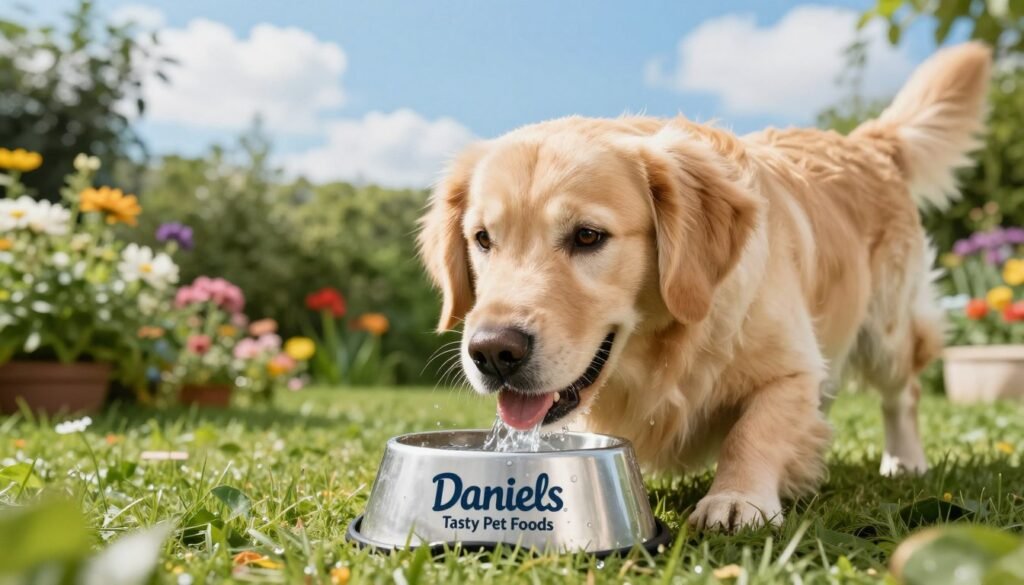
Many pet owners focus heavily on high-quality food, yet they often overlook the importance of water for dogs. Liquid intake acts as the foundation of every biological process, from digestion to temperature regulation. Without enough fluid, your pet cannot thrive. Maintaining healthy hydration supports circulation and waste removal. When you monitor the daily water intake for dogs, you ensure their energy levels remain steady. It is a vital part of wellness that goes beyond simple thirst. Watch closely as changes in behavior or appetite can reveal signs of dehydration in dogs. Early detection helps keep your companion safe. Understanding canine hydration and proper dog hydration ensures a long, happy life. Prioritizing this simple habit is the best gift you can provide. Key Takeaways Water is a critical nutrient that supports every bodily function. Proper fluid levels aid in digestion and temperature control. Monitor your pet’s drinking habits to spot health issues early. Changes in gum moisture or urine output are warning signals. Consistent access to fresh liquid is essential for vitality. How Hydration for Dogs Supports Everyday Health Every cell in your dog’s body relies on consistent water intake to function correctly. While many owners focus heavily on high-quality kibble or raw meals, proper hydration for dogs is the silent engine that keeps their systems running smoothly. Maintaining a healthy balance ensures your pet stays active and vibrant throughout their life. Why Water Is Essential for Canine Body Functions Supporting digestion, circulation, temperature regulation, and waste removal Water acts as the primary transport system for nutrients and oxygen within the bloodstream. It is vital for canine hydration because it helps break down food, allowing the digestive tract to absorb essential vitamins and minerals efficiently. Without enough fluid, the body struggles to process nutrients, which can lead to sluggish digestion. Furthermore, water is the key to maintaining a stable internal temperature. Through panting and skin moisture, dogs release heat to stay cool during exercise. Proper dog water needs also ensure that the kidneys can effectively filter waste products from the blood, keeping the urinary system healthy and free from toxins. How Hydration Works Alongside a Balanced Diet Why nutritious food cannot replace a dog’s daily water needs Many owners wonder if the moisture content in wet food is enough to keep their pets healthy. While high-quality food provides excellent nutrition, it cannot replace the importance of water for dogs. Even the best diet requires additional fluid to maintain the proper electrolyte balance in dogs, which is necessary for muscle function and nerve signaling. Think of hydration and nutrition as two sides of the same coin. Nutritious food provides the building blocks for health, but water is the medium that allows those blocks to be used. Always provide fresh water for dogs to ensure they can supplement their meals whenever they feel thirsty. Recognizing the Effects of Mild Dehydration Common changes in energy, appetite, gums, urine, and behavior Monitoring your pet’s dog drinking habits is a simple way to catch potential issues early. When a dog does not get enough fluids, they may show subtle dehydration symptoms that are easy to miss. You might notice a sudden drop in energy levels or a lack of interest in their favorite treats. Physical signs of low water intake often include dry or tacky gums rather than the usual moist, pink appearance. You may also observe darker, more concentrated urine or a change in your dog’s overall mood. If you notice these signs of dog hydration issues, encourage your pet to drink or consult your veterinarian to ensure their health remains a top priority. How Much Water Dogs Need and What Can Change Their Intake Determining the right amount of water for your dog is not a one-size-fits-all process. While a general rule of thumb suggests about one ounce of water per pound of body weight, your pet’s specific daily water intake for dogs will fluctuate based on their unique biology and environment. Typical Daily Water Needs for Dogs Understanding your dog water needs requires looking at the bigger picture of their health. Most healthy adult dogs regulate their own thirst effectively when fresh water is always available. Factors such as body size, diet, age, activity level, and weather Several variables dictate how much your dog drinks: Body Size: Larger breeds naturally require more volume than smaller ones. Diet: Dogs eating dry kibble need significantly more water than those on a wet or raw food diet. Age: Puppy hydration is critical for growth, while senior dog hydration requires monitoring for underlying health issues. Activity and Weather: High energy levels and warm climates increase the need for fluids. When Dogs May Need More Water There are specific times when your dog’s water intake must be increased to prevent health complications. Keeping a close eye on these situations ensures your pet stays comfortable and safe. Exercise, hot temperatures, illness, pregnancy, nursing, and salty foods You should proactively offer extra water during hydration during exercise or when engaging in outdoor play. Similarly, maintaining proper dog hydration in hot weather is essential to prevent heat exhaustion. Hydration for sick dogs is equally important, especially if they are losing fluids through vomiting or diarrhea. Nursing mothers and dogs that have consumed salty treats will also require additional access to clean water. Condition Hydration Priority Action Required Hot Weather High Provide shade and cool water Heavy Exercise High Frequent water breaks Illness Critical Consult your veterinarian Warning Signs That Require Veterinary Attention Recognizing the signs of dehydration in dogs early can save your pet from a medical emergency. If you notice your dog acting unusually, do not wait to seek professional advice. Severe lethargy, vomiting, diarrhea, refusal to drink, and other urgent symptoms Watch for these dehydration symptoms that indicate a serious problem: Extreme lethargy or sudden collapse. Persistent vomiting or diarrhea. A complete refusal to drink water for several hours. Dry, tacky gums or loss of skin elasticity. If your dog displays these behaviors, contact your veterinarian immediately. Prompt