
Unveiling the Quiet Bond: Why Cats Prefer Calm Dogs in the Home

The Evolutionary Science Behind Why Cats Prefer Calm Dogs Cats are highly sensitive creatures with finely tuned nervous systems. In our experience, they constantly assess their environment for sudden changes in movement and sound. A bouncy, vocal dog can easily trigger a cat’s flight-or-fight response, leading to chronic stress. By contrast, peaceful canine companions do not challenge the territory of a resident feline. This explains why cats prefer calm dogs that respect physical boundaries and display predictable behaviours. According to the RSPCA , a gradual introduction to a quiet environment is vital for multi-pet success. This peaceful coexistence allows cats to remain relaxed and secure in their favourite spots. Identifying Calm Dog Breeds for Cats When building a harmonious household, selecting the right canine companion is crucial. Certain calm dog breeds for cats naturally possess a gentle temperament and low arousal levels. For instance, Golden Retrievers, Basset Hounds, and Cavalier King Charles Spaniels are often highlighted as the best dog breeds for cat owners . These breeds typically show curiosity without aggression or obsessive chasing behaviours. Additionally, focusing on low prey drive dog breeds for cats reduces the risk of predatory chase sequences. Mastiffs and Great Danes, despite their imposing size, are often wonderfully quiet and respectful. You can reward peaceful interactions by offering high-quality rewards. If you want to encourage positive behaviour in your feline, learning how to choose the best natural cat treats can make joint training sessions highly rewarding. Daniel’s Tip Always provide your cat with elevated vertical spaces, such as cat trees or shelves. This allows them to observe the dog safely from above, building confidence at their own pace. Introducing a Calm Dog to a Cat Safely The process of introducing a calm dog to a cat requires patience, preparation, and careful supervision. You should never rush the initial meetings, even with the most placid canine. First, keep the animals in separate rooms whilst exchanging their bedding. This step allows them to familiarise themselves with each other’s scent without direct confrontation. Next, use a sturdy baby gate for visual introductions, rewarding both pets for calm behaviour. According to guidance from the PDSA , keeping your dog on a loose lead during early face-to-face meetings prevents sudden movements. This structured approach reinforces why cats prefer calm dogs that display self-control and respect boundaries. Designing a Peaceful Multi-Pet Home Creating a serene home is entirely possible when you understand feline psychology. By selecting gentle companions and using structured introductions, you can foster a deep bond between your pets. Ultimately, this understanding shows why cats prefer calm dogs as their lifelong roommates. Nourishing both pets with premium, honest nutrition ensures they remain healthy, happy, and relaxed together. Daniel’s Active Life – Salmon, Rice, Oats & Vegetables GBP 66.99 View Product Daniel’s Wholesome Everyday – Lamb & Rice Performance GBP 23.99 View Product
A Man’s Best Friend: The Ultimate Guide to Nurturing Dog Gut Health

1. Understanding the Dog Microbiome and Digestive Wellness Every dog shares a profound, ancient bond with humans. As their dedicated caretakers, we always strive to provide the healthiest, happiest lives possible for them. In our experience, one of the most overlooked aspects of canine care is the intricate dog microbiome . This complex ecosystem of bacteria, fungi, and viruses resides directly within your pet’s digestive tract. Research suggests that a diverse microbial community helps process essential nutrients, synthesises key vitamins, and strengthens immune responses. When this delicate environment becomes unbalanced, your companion’s general health may suffer. Supporting this microscopic system requires a thoughtful, consistent approach to their daily nutrition. Daniel’s Tip When introducing any new food to your companion, transition slowly over seven to ten days. Gradually mix increasing amounts of the new food into their current meals to prevent digestive upset and allow their microflora to adapt safely. 4. Selecting the Best Dog Food for Gut Health Finding the best dog food for gut health requires looking beyond attractive packaging to focus on ingredient transparency. High-quality dog food should feature easily digestible proteins, wholesome dietary fibres, and essential fatty acids. Avoid foods that rely heavily on low-quality ingredients, synthetic additives, or excessive processing methods. In our experience, steam-cooked recipes or gently dried options help preserve vital nutrients and enzymes. These cooking methods keep protein structures intact, making them easier for your dog’s system to digest. Whole grains like oats and brown rice provide prebiotic fibres that feed beneficial microbes. The RSPCA recommends feeding a complete and balanced diet appropriate for your dog’s life stage. Prioritising natural, recognisable ingredients is the kindest way to support long-term dog digestive health . Our Recommended Solutions for Digestive Wellness Explore our carefully crafted recipes, formulated to provide transparent, high-quality nutrition that supports your dog’s digestive health. Daniel’s Active Life – Salmon, Rice, Oats & Vegetables £66.99 View Product Daniel’s Active Life – Adult Tripe £65.99 View Product Daniel’s Wholesome Everyday – Lamb & Rice Performance £23.99 View Product Daniel’s Active Life – Chicken & Beef Senior £59.99 View Product In conclusion, choosing the right dog gut health comes down to reading labels carefully, prioritising recognisable ingredients, and matching the product to your pet’s needs. We’ve covered the essentials in this guide, and now you know exactly what to look for — so you can make a confident, informed choice.
The Ultimate Guide to the Best Toys for Active Dogs: Fuelling Mental and Physical Vitality
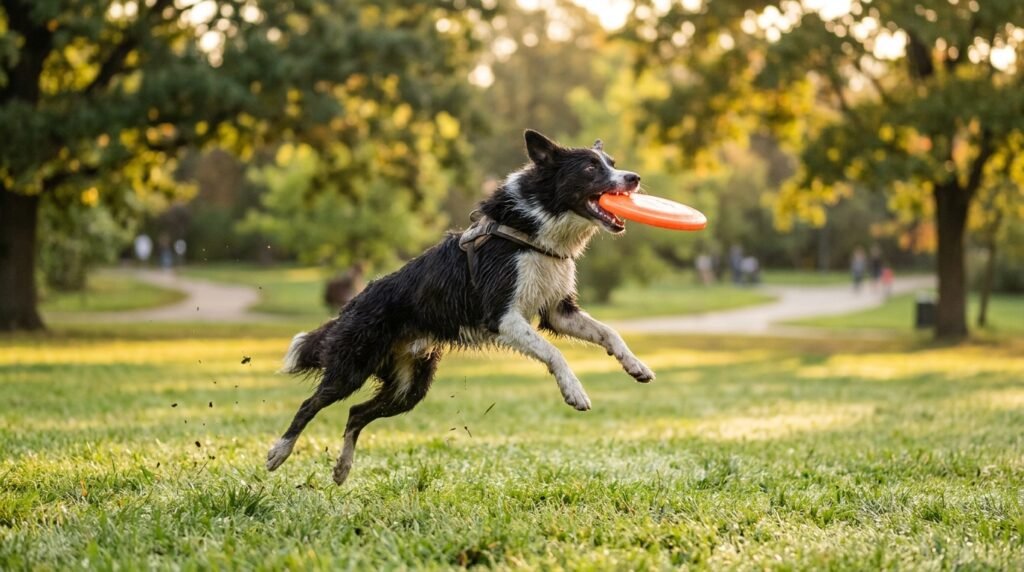
Understanding Your Companion: What Makes the Best Toys for Active Dogs So Vital? High-energy dogs possess an abundance of natural stamina and curiosity. Breeds such as Border Collies, Spaniels, and Retrievers thrive when they have a job to perform. Without constructive outlets, this natural drive can manifest as unwanted digging, barking, or chewing. We have seen how structured play sessions transform a dog’s overall temperament. Providing toys for high energy dogs helps direct their enthusiasm into positive channels. This form of exercise can help support cardiovascular health, as part of an active lifestyle, whilst building a stronger emotional bond between you and your companion. According to the Royal Society for the Prevention of Cruelty to Animals (RSPCA) , regular mental and physical stimulation is fundamental to canine welfare. When selecting the best toys for active dogs , owners should consider their pet’s unique play style. Some dogs prefer to chase, whilst others love to dissect or problem-solve. Tailoring your selection to these preferences ensures your dog remains engaged and satisfied. Chasing and Fetching: The Best Fetch Toys for Dogs For many canine companions, nothing beats the thrill of the chase. Classic tennis balls often fail to withstand the powerful jaws of enthusiastic retrievers. Therefore, choosing the best fetch toys for dogs requires a focus on bounce, visibility, and robust materials. In our tests, aerodynamically designed flyers and high-bounce natural rubber balls perform exceptionally well. These designs allow for longer throws, which helps tire out energetic breeds efficiently. Additionally, bright colours such as orange and blue are highly visible to dogs. This visibility reduces the risk of lost items in tall grass during outdoor adventures. Interactive retrieving games also offer excellent training opportunities. You can use fetch to practice commands such as “drop it” and “wait”. This combination of physical exertion and discipline helps calm an overactive mind. When testing various models, we found that ergonomic ball launchers are brilliant for saving your shoulders whilst giving your dog a fantastic workout. Cognitive Stimulation: Interactive Toys for Active Dogs Physical exercise alone is rarely enough for working breeds. Mental fatigue is just as valuable as physical tiredness. Using interactive toys for active dogs challenges their problem-solving abilities and satisfies their natural foraging instincts. Puzzle feeders and treat-dispensing toys require your dog to work for their rewards. This activity mimics natural hunting behaviours, which can be highly satisfying for them. You can fill these dispensers with high-quality kibble to keep your companion focused for extended periods. For a nutritious, long-lasting chewing challenge, we highly recommend utilising safe, natural animal parts. You can learn more about choosing safe options in our detailed guide on the best beef parts for dogs . These natural options provide excellent dental benefits whilst keeping high-energy minds occupied. Just as we look after our dogs, we must not forget other household pets. For instance, cats also thrive on mental stimulation, which we cover in our guide to the best natural cat treats . Withstanding the Elements: Durable Outdoor Dog Toys Active dogs are notoriously hard on their gear. Flimsy rubber and soft plastics quickly disintegrate under the pressure of determined jaws. Investing in durable outdoor dog toys is a practical choice that ensures safety and long-term value. Look for products crafted from non-toxic, puncture-resistant rubber or heavy-duty ballistic nylon. These materials can withstand rough outdoor terrain, water, and mud. Many high-quality outdoor toys also float, making them perfect for dogs that love swimming in lakes or rivers. The People’s Dispensary for Sick Animals (PDSA) emphasises the importance of selecting appropriately sized playthings to avoid choking hazards. Always choose items that fit your dog’s mouth size comfortably. If an item begins to show signs of cracking or tearing, it is time to replace it. In our experience, rotating your dog’s outdoor gear keeps their interest high. Rather than leaving all their playthings in the garden, keep a few hidden away to reintroduce later. Daniel’s Practical Tip: The Wet-Weather Stuffing Trick On rainy days when outdoor exercise is limited, stuff a durable hollow rubber toy with high-quality wet food. Freeze it for three hours. The freezing process extends the challenge, keeping your active dog calm, mentally engaged, and quiet whilst they work to get every last morsel. Fuelling the Active Lifestyle: Premium Nutrition for Energetic Dogs An active lifestyle requires more than just the best toys for active dogs ; it demands high-quality nutrition to sustain that high energy. Dogs that spend hours running, retrieving, and problem-solving burn a significant amount of energy. To maintain their muscle mass, joint health, and overall vitality, they need a diet tailored to their physical output. Nutrient-dense recipes rich in quality proteins and balanced fats support cellular repair and sustained stamina. Dietary choices should always match your dog’s life stage and activity levels. For example, working breeds and highly active puppies benefit from specialised diets formulated with optimal protein-to-fat ratios. Whilst high-energy play keeps your dog fit, a balanced diet may support joint flexibility and overall longevity. Always consult your veterinarian for specific dietary advice tailored to your pet’s individual needs. Combining proper physical outlets with clean, wholesome nutrition ensures your companion can enjoy their favourite games for years to come.
How to Choose the Best Natural Cat Treats for Your Feline Companion
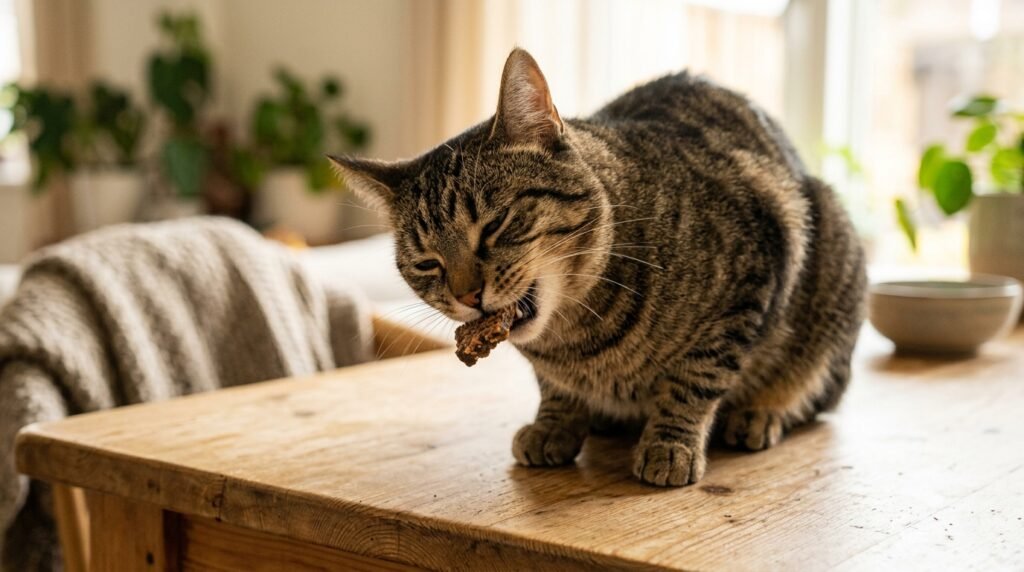
The Nutritional Needs of Felines Cats possess unique dietary needs that distinguish them from other household companions. Unlike dogs, felines are obligate carnivores, meaning they must obtain key nutrients from animal tissues. According to the RSPCA , feeding a balanced, species-appropriate diet is essential for feline well-being. In our experience, choosing treats made from real meat ensures your cat receives vital amino acids like taurine. Taurine is crucial for healthy vision and cardiac function. When we select ingredients, we focus on raw or gently dried proteins that preserve natural nutrients. Many standard options contain wheat or maize, which do not align with a cat’s natural dietary path. By focusing on clean ingredients, you can confidently support your pet’s metabolic health. Daniel’s Tip When introducing new natural treats to your cat, start with a tiny portion. Observe their digestion for twenty-four hours before offering more. This gradual introduction helps prevent mild stomach upsets. 1. Freeze-Dried Single-Source Proteins Freeze-dried meats represent an exceptional choice for health-conscious owners. This gentle preservation method retains the raw nutritional profile of the meat without altering its natural enzymes. In our experience, cats respond enthusiastically to the intense natural aroma of freeze-dried duck, liver, or fish. These treats are naturally grain-free and rich in highly digestible proteins, which can make them excellent for sensitive stomachs as part of a balanced diet. 2. Pureed and Liquid Hydration Treats Many cats struggle to consume enough water daily, which can lead to urinary issues over time. Wet pureed treats offer a delicious way to boost your cat’s hydration levels whilst providing a bonding experience. You can feed these directly from the sachet or use them as a tasty topper on dry kibble. According to the PDSA , maintaining proper hydration is vital for urinary tract health in cats. 3. Tailored Natural Treats for Kittens Growing kittens require specific nutrient ratios to support their rapid muscle and bone development. When sourcing natural treats for kittens , look for options enhanced with DHA, an essential omega-3 fatty acid. DHA is believed to support healthy brain and eye development in young animals. Ensure the treats are small and soft enough for delicate kitten teeth to chew safely. Always monitor young pets closely whilst they enjoy their snacks. The Standards Behind Daniel’s Tasty Petfoods Cat Treats At Daniel’s Tasty Petfoods, we believe that pet nutrition should be transparent, honest, and scientifically sound. Whilst we are widely celebrated for our premium canine recipes, we apply the exact same rigorous standards to our feline research. We know that pet owners want to trust what goes into the bowl every single day. Our philosophy prioritises quality before quantity in every single recipe we develop. Whilst cats and dogs have different nutritional needs, our research into high-quality animal proteins benefits both species. For example, our comprehensive guide on the best beef parts for dogs highlights how we select nutrient-rich organ meats. We bring this identical dedication to sourcing for Daniel’s Tasty Petfoods cat treats , ensuring every bite supports your pet’s wellness. Our ingredients are carefully processed to retain quality without relying on synthetic enhancers. Explore Our Quality Range Whilst we care deeply about feline snacks, we also offer a trusted range of complete meals for the canine companions in your household. Explore our popular recipes below. Daniel’s Active Life – Working Dog Puppy Price: £64.99 View Product
The Ultimate Guide to the Best Beef Parts for Dogs: Nutrient-Rich Cuts for Your Canine Companion
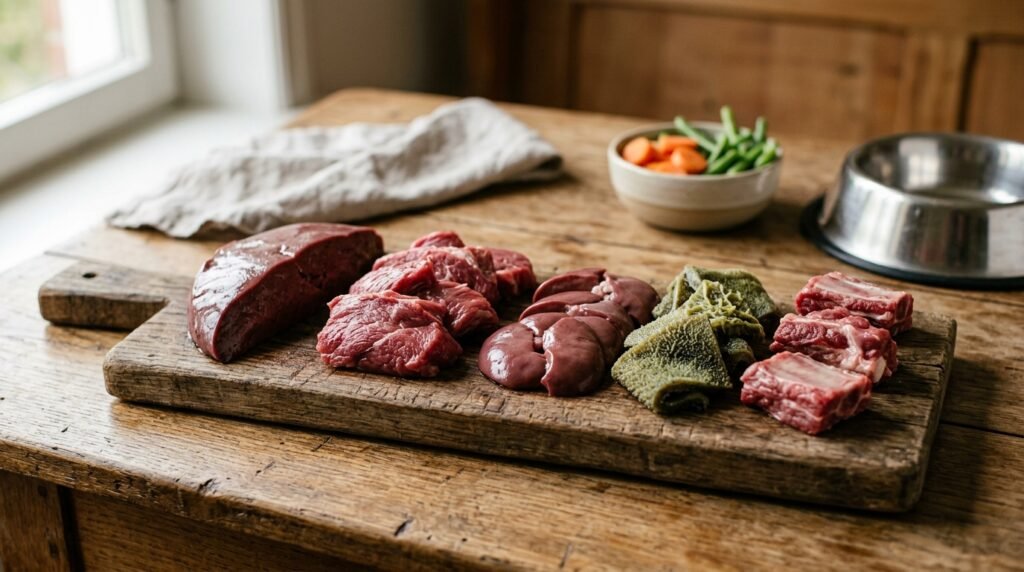
1. Nutritional Excellence: Exploring the Best Beef Parts for Dogs When we analyse the canine diet, beef emerges as an exceptionally versatile protein source. The best beef parts for dogs range from lean muscle meat to vitamin-rich offal. Each part offers a unique spectrum of nutrients, contributing to muscle maintenance, skin health, and immune support. We believe in transparent nutrition, which means understanding exactly what goes into your dog’s bowl. Providing a variety of beef cuts ensures your dog receives a balanced spectrum of amino acids. However, introducing new ingredients should always be done gradually to avoid digestive upset. You can learn more about crafting balanced diets by reading our guide on how to choose the right pet food . The benefits of beef for dogs are well-documented, offering highly bioavailable iron, zinc, and B vitamins. These nutrients can support energy levels, cognitive function, and joint health, helping to keep your canine companion active and content as part of a balanced diet. 2. Top Muscle Cuts: Finding the Best Cut of Beef for Dogs If you are looking for the best cut of beef for dogs, lean muscle tissue is the ideal foundation. Muscles provide the essential building blocks for healthy tissues, active joints, and a strong heart. Beef cheek, shank, and flank are excellent options for active dogs. Cheek meat is naturally rich in collagen, which can contribute to joint care and a glossy coat. Flank is a leaner option, making it suitable for dogs that require careful weight management. According to advice from the PDSA , maintaining a healthy weight is vital for preventing joint strain and other chronic health issues. Whilst raw muscle meat is highly digestible, cooking it gently can also preserve its nutritional value. This flexibility allows you to adapt the preparation to suit your dog’s dietary preferences and digestive tolerance. Daniel’s Tip When incorporating organ meats into your dog’s diet, aim for them to make up no more than ten percent of the total meal. This ratio prevents digestive upset and ensures a safe balance of vitamins. 4. The Unique Value of Tripe and Raw Beef for Dogs Green tripe, the untreated stomach lining of ruminating animals, is highly prized by canine nutritionists. It contains natural digestive enzymes and lactic acid bacteria, which may support healthy gut flora and efficient digestion. Additionally, considering raw beef for dogs benefits involves looking at how dogs digest uncooked proteins. Raw feeding proponents suggest that uncooked beef preserves delicate enzymes and complex nutrients. Despite this, raw feeding requires careful hygiene practices to prevent bacterial contamination. The RSPCA emphasizes the importance of sourcing human-grade ingredients and handling raw food with strict cleanliness. Whether you choose raw, gently cooked, or premium dry food infused with these ingredients, quality should always come first. Using the best beef parts for dogs ensures your pet receives wholesome, natural sustenance without synthetic additives. 7. Safe Sourcing and Preparation: Serving Beef Responsibly Selecting the best beef parts for dogs is only the first step towards a healthier lifestyle. How you source and prepare these ingredients is equally important for your pet’s wellbeing. We always recommend choosing high-quality, pasture-fed British beef whenever possible. This ensures the meat contains optimal levels of beneficial omega-3 fatty acids and essential vitamins. If you choose to feed raw beef, source it from reputable producers who follow strict safety standards. Proper food hygiene is vital to protect both your dog and your human family members. Always wash your hands, utensils, and worktops thoroughly after handling raw meat. For those who prefer not to feed raw, gently cooking the muscle meats is an excellent alternative. Lightly steaming or poaching beef helps preserve most of its nutritional value whilst making it highly digestible. However, you should avoid using any added salt, oils, or artificial seasonings during the cooking process. Plain, simple preparation is always best for your dog’s sensitive digestive tract. If you are introducing new beef parts, do so gradually over several days. This slow transition helps prevent mild stomach upsets and allows you to monitor their response. Determining the correct portion sizes is another crucial aspect of responsible feeding. Every dog has unique energy requirements based on their age, weight, and daily activity levels. Feeding excessive amounts of rich organ meats can sometimes lead to loose stools or nutritional imbalances. We suggest keeping a food diary to note down what your dog eats and how they behave afterwards. This honest approach helps you tailor their diet to their specific, individual needs. Your veterinary surgeon can also offer valuable guidance if you feel unsure about balancing their nutritional intake. 8. Joint Care and Mobility: The Value of Beef Cartilage and Tendons Many dog owners focus solely on muscle meat and organs. However, connective tissues like beef trachea and tendons offer remarkable benefits for joint health. These parts are naturally rich in glucosamine and chondroitin. These compounds help maintain healthy cartilage and support smooth, pain-free movement. Feeding these parts can be particularly helpful for ageing dogs or active working breeds. They provide a safe, food-based alternative to synthetic joint supplements. Maintaining strong joints is essential for preserving their quality of life as they grow older. In addition to supporting joints, tough connective tissues promote excellent dental hygiene. Chewing on dried beef trachea or paddywack helps scrape away plaque from your dog’s teeth naturally. This chewing behaviour also releases endorphins in the brain, helping to calm and satisfy your companion. When researching the best beef parts for dogs, these fibrous options deserve a place in their diet. We suggest introducing them slowly to ensure your dog’s digestive system adapts comfortably. At Daniel’s Tasty Petfoods, we always advocate for a balanced, honest approach to canine nutrition. Whilst these chewy parts are highly beneficial, they should complement a complete diet rather than replace main meals. We always recommend sourcing these items from trusted British suppliers to ensure safety and quality. This simple, thoughtful addition can make a wonderful difference to your dog’s daily comfort and