
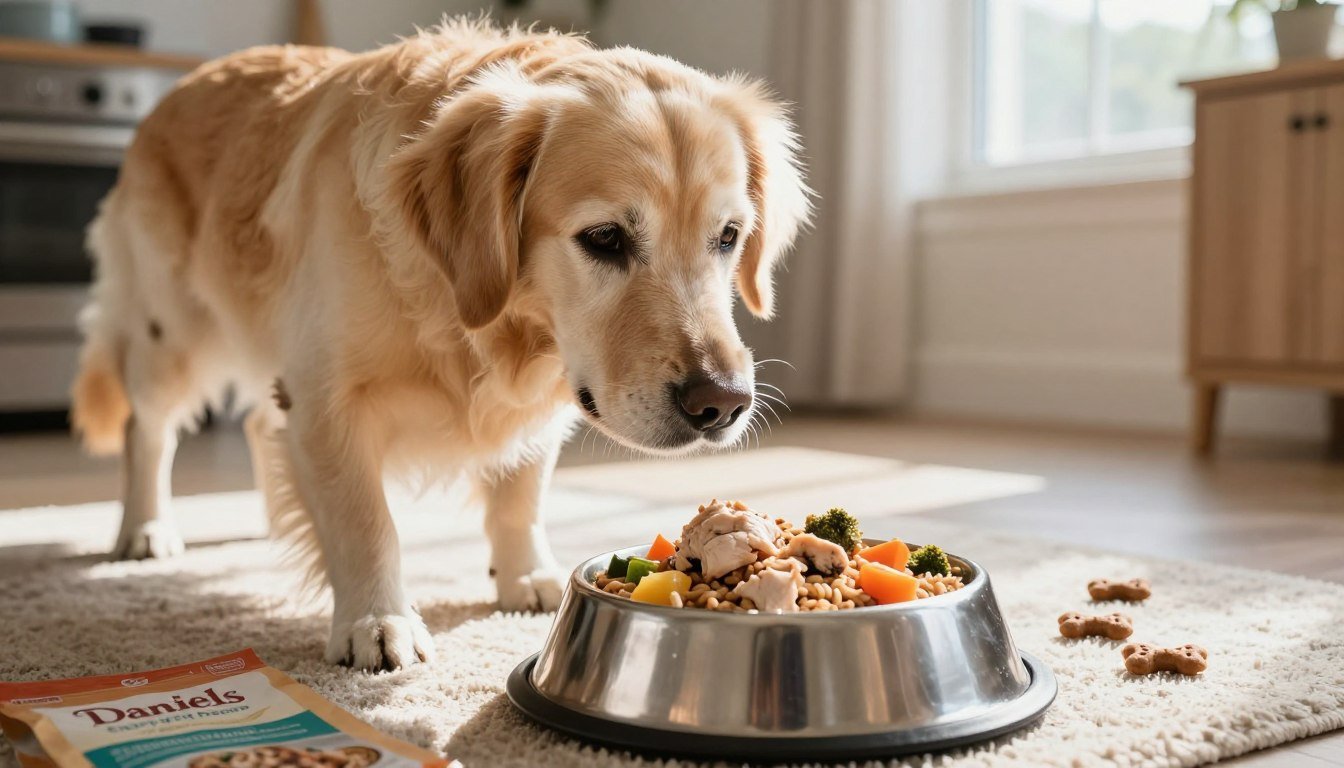
Senior Dog Food may become a question when a familiar meal no longer suits your ageing dog’s appetite or routine. Ageing can change appetite, activity, weight and chewing, but every dog has different needs.
A complete feed is a food formulated to provide all the nutrients a dog needs when fed as directed. There is no single best choice for every dog, so look for options that suit your pet’s needs and daily life.
Choosing well means weighing what your dog can eat and enjoy against its health and routine. A change may help, but a new label alone does not make a food more suitable.
Key Takeaways
- Ageing can change a dog’s appetite, activity, weight or chewing.
- Each dog’s needs depend on its own health and routine.
- A complete feed supplies nutrients when fed as directed.
- No one food suits every dog.
- Consider a change when your dog’s needs or routine shift.
That leaves one useful question to start with: when is a change in life stage worth considering?
When does a dog need a senior diet?
There is no single age when every dog must change diets. Around seven years is a rough point to review food, not a fixed switch date.
Your dog’s size, condition, activity and health matter more than its birthday. Larger breeds may need a review earlier, while some smaller dogs stay active and well on adult food for longer.
Use age as a prompt to review your dog’s food, not as an order to switch.
Breed and size affect how quickly a dog ages, but they do not give a precise diet deadline. Body condition and daily movement also shape what suits your dog.
A healthy dog does not need a new formula just because it has had a birthday. A senior dog recipe may suit changing needs, but the label alone cannot show that a switch will help.
Ask your vet if you are unsure whether a change fits your dog’s health. PetMD’s advice on senior dog food also explains why age alone does not make a new diet essential.
Some dogs keep the same appetite and activity for years. Others show changes sooner, so watch your own dog rather than following a calendar alone.
When you decide a review is due, focus next on what the recipe should provide.
What should Senior Dog Food provide as dogs age?
A good recipe balances energy and useful nutrients, rather than relying on a “senior” label alone. Check the whole recipe, since no single nutrient makes one dog food best for every dog.
Choose a complete feed suited to your dog’s life stage and individual needs. A clearly named protein source and clear feeding directions help you compare options.
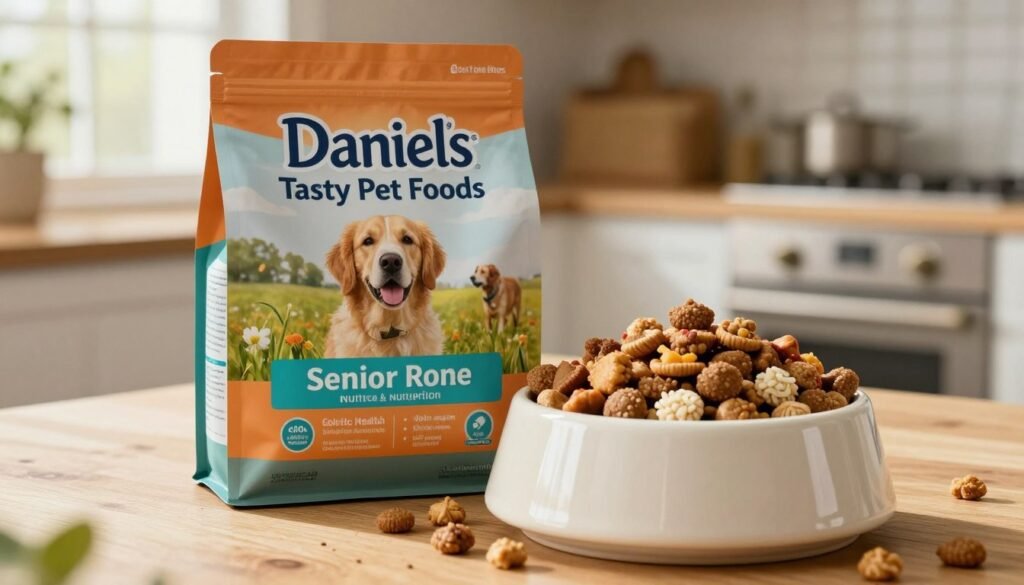
Balance calories, protein and fibre
Suitable protein helps maintain muscle as activity changes. Controlled calories and moderate fat can help manage weight if your dog moves less.
Fibre supports regular digestion. The right amount depends on the recipe and your dog, so use the feeding guide as a starting point.
Support joints, skin and general wellbeing
Omega-3 and omega-6 fats can support skin and coat. Vitamins C and E contribute antioxidant support, while some recipes include glucosamine and chondroitin for joint support.
The presence of those joint ingredients does not guarantee a health outcome. A dog with a diagnosed condition may need advice beyond general nutrition.
Use this short checklist when reading a label:
- Check that the food is a complete feed.
- Check that it suits the senior life stage.
- Read the feeding guide for your dog’s weight.
- Look for a clearly identified protein source.
For wider feeding and care topics, you can explore this general pet-care guide. Recipe details matter, but your dog also needs a texture it can eat comfortably.
Is wet or dry food better for older dogs?
The better format is the one that meets your dog’s nutritional needs and feels comfortable to eat. Neither format is automatically healthier for every senior dog.
Choose by comfort and practicality, then count every portion in the daily ration. Wet dog food has a softer texture and adds moisture, while dry dog food is easy to portion and store.
When wet food can be practical
Wet food may suit dogs that prefer a softer meal or need extra moisture in their food. Once opened, follow the pack’s storage directions and serve the right amount.
A wet dog may eat its meal more readily, but texture does not resolve a dental problem. Ask your vet for advice if chewing seems painful or difficult.
When dry kibble or mixed feeding may suit
Dry kibble is simple to measure and store. Mixed feeding combines wet and dry formats, but you must account for both portions in the daily ration.
| Format | May suit when | Check before choosing |
|---|---|---|
| Wet food | Your dog prefers a softer meal | Follow opened-pack storage directions |
| Dry food | You want easy portioning and storage | Check your dog can chew the kibble |
| Mixed feeding | Your dog enjoys both formats | Count both portions in the daily ration |
For each format, check that it is a complete feed and follow its feeding directions. Dental or chewing difficulty merits a vet’s advice, not a texture change alone.
Once the format feels practical, compare the recipe details and pack value.
How can you compare senior food recipes, pack sizes and prices?
Two packs with different sizes cannot be judged by shelf price alone. Compare what each pack contains, then check how much your dog should eat each day.
Senior dog food recipes should be compared by complete-feed status, ingredients, feeding directions and your dog’s tolerances. The senior dog food in the UK category includes varied recipes and pack options.
Check the recipe and feeding directions
Read the full label, including whether the recipe is a complete feed. Check the feeding guide for your dog’s weight, then consider whether your dog has tolerated similar ingredients.
Customer stars can tell you what some buyers think of a product. They cannot show whether a recipe suits your dog’s needs.
Compare pack formats and listed prices
These Naturo examples show how formats and pack sizes differ:
| Product example | Format and pack size | Listed price |
|---|---|---|
| Naturo Senior Dog Turkey with Rice and Vegetables | 400g trays x 7 | £12.50 |
| Naturo Senior Dog Turkey with Chicken in a Herb Gravy | 390g cans x 12 | £19.50 |
| Naturo Senior Dog Turkey & Potatoes with Vegetables | 2kg dry food | £12.50 |
| Naturo Senior Dog Turkey & Rice with Vegetables | 150g pouches x 8 | £9.00 |
Listed prices can change, and these examples are not recommendations or an assurance of availability. A price per pack does not show the full daily cost without checking the feeding guide.
Compare the directions as well as the ingredients before choosing among senior dog food recipes. Once you have chosen a suitable pack, serve a steady, suitable amount.
How should portions, treats and food changes be managed?
Change food over several days instead of replacing the old food all at once. A gradual change gives your dog time to adjust and helps you spot digestive upset.
Use the feeding guide as a starting point, then adjust portions for body condition and veterinary guidance. A 7-10-day transition is a practical rule of thumb.
Make food changes gradually and measure portions
Start with a small amount of new food, then increase it as you reduce the old food. Slow the change or seek advice if your dog develops digestive upset.
For more detail, follow this guide to changing your dog’s food gradually.
- Begin with a small amount of the new food.
- Increase it gradually while reducing the old food.
- Monitor your dog’s appetite and stools.
Treat extras and appetite changes carefully
Keep treats modest and include them when judging daily portions. Plain cooked scrambled egg may be an occasional treat if your dog tolerates it, but it is not a balanced meal.
What can you cook for your senior dog? Home-cooked meals should not replace a complete feed unless a vet or qualified veterinary nutrition professional has formulated them.
A dog may have its own eating routine, but a sudden change to eating only once a day deserves attention, especially with other symptoms.
For further support, read about signs it may be time to change your dog’s diet. Persistent appetite or health changes call for personalised veterinary advice.
When should a vet guide your dog’s food choice?
A vet should guide food choices when your dog has a diagnosed condition or a persistent change in eating or health. Kidney, liver or joint conditions can alter dietary needs.
Ask your vet before changing food for a dog with a diagnosed health condition. Arrange advice for ongoing appetite loss, unexplained weight change, repeated digestive trouble or difficulty chewing.
A senior label, customer stars or one ingredient cannot diagnose or treat a health problem.
A senior dog may need a diet shaped around its health, not a general food choice. Share the current food, feeding amount and any changes you have noticed.
Do not rely on a senior label, customer stars or a claim about one ingredient to explain symptoms. Those details cannot diagnose or treat your dog.
You can also browse free pet-care guides for general care advice. For a routine food-choice question without a health concern, compare suitable options with your dog’s preferences in mind.
Conclusion
The best starting point is a complete feed that suits your dog’s life stage, eating preferences and individual needs. The label matters, but your dog’s comfort and health matter too.
If you would like friendly advice while choosing among options, call 07543 593 655 or email sales@danielstastypetfoods.co.uk.
FAQ
Is senior dog food good for dogs?
Senior dog food can suit changing needs, but age alone does not make a switch essential for every healthy dog. Recipes vary, so check that the food is complete and suits your dog’s life stage. Consider your dog’s body condition, activity and eating habits, and ask your vet if health concerns affect the choice.
What should top 3 ingredients be in dog food?
There is no universal top three ingredients for every dog. Prioritise a complete recipe with clearly identified ingredients that suit your dog’s needs and tolerances. Check the feeding directions and the product’s intended life stage too. A short ingredient list or one named meat does not, by itself, prove that a food is suitable.
What is the best wet dog food for small senior dogs?
The best choice is a complete recipe your dog can chew and tolerate, with portion guidance that suits its size and condition. Small dogs may need smaller servings, so use the pack’s feeding guide rather than guessing. If your dog struggles to chew, ask a vet before relying on soft food to address the problem.
What is the healthiest food for a senior dog?
The healthiest food depends on your dog’s body condition, activity, preferences and health, not one ingredient or format. Look for a complete feed with clear directions that fits its life stage. A dog with a diagnosed condition may have different needs, so ask your vet before choosing a diet to manage that condition.
Is it better to feed senior dogs wet or dry food?
Neither wet nor dry food is automatically better for senior dogs. Comfort, nutritional suitability and portion control all matter, as do your dog’s preferences. Some owners use both formats, but they should count both servings in the daily ration. Ask your vet about new chewing or dental problems instead of relying on texture alone.
Is scrambled egg good for senior dogs?
Plain, cooked scrambled egg may be an occasional treat if your dog tolerates it, but it is not a complete meal. Keep treats modest and avoid adding ingredients that may not suit your dog. If you want to feed home-cooked meals regularly, ask a vet or qualified veterinary nutrition professional to formulate them.
My senior dog is only eating once a day. Is this normal?
Some dogs have different eating routines, but a new change to eating once a day should prompt attention. Note when the change began and whether your dog’s appetite, weight or behaviour has also shifted. If other symptoms appear, or the change persists, contact your vet for advice rather than changing food without guidance.
What is a good small kibble for senior dogs?
A good small kibble is a complete recipe that your dog can comfortably manage and that suits its needs. Check the feeding directions and choose a kibble size your dog can eat without strain. If chewing has become difficult, ask a vet for advice, since a smaller piece of food may not address the cause.