
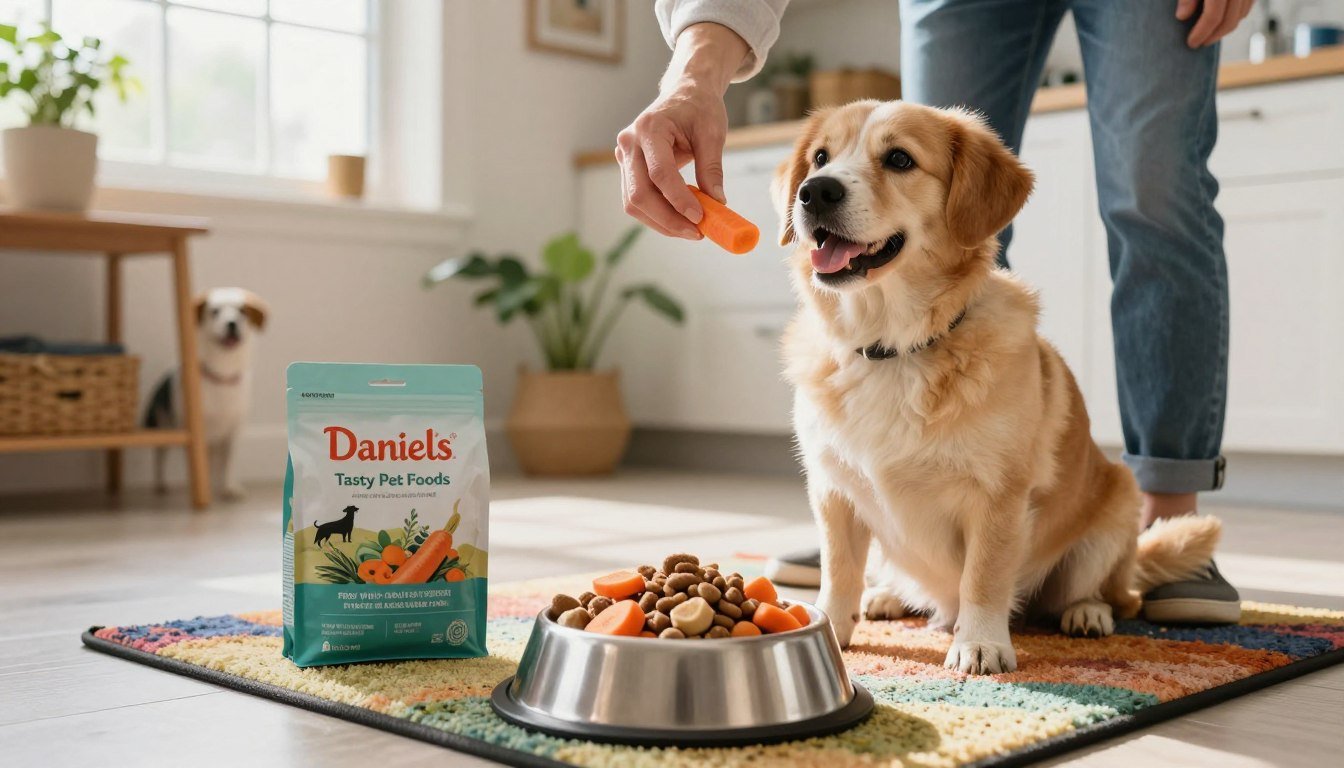
Many owners view digestion simply as a matter of avoiding upset stomachs. However, true vitality starts deep within the body. A healthy gut for dogs acts as the foundation for their entire physical wellbeing.
The dog gut microbiome consists of trillions of tiny organisms. These microbes interact constantly with food, tissues, and the immune system. When balanced, this internal environment supports nutrient absorption, energy levels, and daily comfort.
Understanding gut health for dogs requires a shift in perspective. It is not just about digestion; it is about supporting the immune system and overall mood. Because every animal is unique, there is no single supplement or diet that suits everyone. Recognising the individual needs of your pet is the best way to optimise their long-term wellness. Prioritising dog gut health ensures your companion feels their absolute best every single day.
Key Takeaways
- A balanced internal ecosystem is essential for overall canine gut health.
- Microbes play a vital role in supporting the immune system and nutrient absorption.
- Every pet has unique requirements, so avoid a one-size-fits-all approach to nutrition.
- Focusing on internal balance helps to improve energy and daily comfort.
- Consulting with a vet helps you recognise specific dietary needs for your pet.
Why gut health for dogs matters
The foundation of your canine companion’s vitality lies deep within their gut. While we often focus on exercise and training, the internal environment of your pet is just as vital for their long-term happiness.
The gut’s role in digestion and nutrient absorption
Efficient dog digestion and nutrient absorption are essential for maintaining your pet’s energy levels. As food travels through the digestive tract, it is broken down into smaller components that the body can easily utilise.
This process allows your dog to access vital vitamins, minerals, and fatty acids. Without a healthy gut, even the highest quality food may pass through without providing the nourishment your dog truly needs.
How the gut supports a healthy immune system
Did you know that roughly 70% of a dog’s immune cells reside in the gut? This makes dog immune system support a primary function of the digestive tract.
A diverse population of gut bacteria in dogs acts as a frontline defence against harmful pathogens. When this internal ecosystem is thriving, it helps regulate the immune response and keeps your dog feeling their best.
The connection between gut health, skin and coat condition
Many owners are surprised to learn that dog skin and coat health is often a direct reflection of what is happening inside the belly. If the gut is struggling, you may notice dull fur, dry skin, or persistent itching.
While allergies and parasites can cause these issues, poor digestive health is a frequent culprit. When the gut is inflamed or imbalanced, the body struggles to absorb the nutrients required for a shiny, healthy coat.
Recognising signs of a balanced digestive system in dogs
It is helpful to know what a healthy, balanced digestive system in dogs looks like in everyday life. You can monitor your pet’s wellbeing by observing a few simple indicators:
- Comfortable eating: Your dog shows enthusiasm for meals without signs of distress.
- Consistent stools: Regular, well-formed waste is a sign of a happy gut.
- Stable energy: A healthy dog maintains consistent vitality throughout the day.
- Normal behaviour: Your pet remains settled and happy without frequent digestive discomfort.
What can affect a dog’s digestive wellbeing
Maintaining your dog digestive wellbeing requires a keen eye for the subtle changes in their daily routine. Many external and internal factors can disrupt the delicate balance of their gut microbiome, leading to discomfort or long-term health issues.
Dietary changes, food sensitivities and poor-quality ingredients
A healthy dog diet is the foundation of good health, yet it is often compromised by low-quality fillers or sudden menu changes. Some dogs possess specific food sensitivities that trigger inflammation when they consume certain proteins or grains. Always check ingredient labels to ensure your pet is receiving high-quality nutrition rather than processed additives that may irritate their stomach lining.
Stress, illness and medication
Just like humans, dogs are susceptible to the physical effects of stress. Moving house, loud noises, or the arrival of a new pet can manifest as digestive upset. Furthermore, certain medications, particularly antibiotics, can deplete beneficial bacteria in the gut. This makes supporting dog gut health essential during and after any period of illness or medical treatment.
How digestive problems may appear in everyday behaviour
Recognising the signs of digestive problems in dogs early can prevent more serious complications. You might notice your dog becoming lethargic, bloated, or passing excessive gas. Changes in behaviour, such as restlessness or a sudden lack of interest in play, are also common indicators that something is wrong internally.
When vomiting, diarrhoea or appetite changes need veterinary advice
While minor tummy upsets can happen, persistent dog vomiting and diarrhoea should never be ignored. If these symptoms last longer than 24 hours, or if you notice blood in the stool, you must seek veterinary advice for dogs immediately. Rapid weight loss or a complete refusal to eat are also critical warning signs that require professional intervention.
Simple daily ways to support a healthier gut
You can take proactive steps to keep your dog’s digestive system functioning at its best. Consistency is key to maintaining a stable environment for the gut bacteria to thrive.
Providing a balanced diet and fresh drinking water
Ensure your dog always has access to clean, fresh water to aid digestion and hydration. A balanced diet tailored to your dog’s age, breed, and activity level provides the necessary nutrients to keep their system running smoothly.
Introducing new foods gradually
A gradual dog food transition is vital when switching brands or recipes. We recommend mixing the new food with the old over a period of 7 to 10 days. This slow approach allows your dog’s digestive system to adjust to the new ingredients without causing an upset.
Using fibre and veterinary-approved probiotics appropriately
Incorporating fibre for dogs can help regulate bowel movements, but it is important to choose the right type for your pet’s specific needs. Additionally, probiotics for dogs and prebiotics for dogs can be highly beneficial for restoring gut flora balance. Always consult your vet before introducing these supplements to ensure they are appropriate for your dog’s unique health profile.
Conclusion
A thriving gut is the silent engine behind your pet’s energy and happiness. Proper digestion ensures your dog absorbs vital nutrients, maintains a lustrous coat, and supports a robust immune system. These factors combine to create the comfortable, active behaviour every owner loves to see.
A complete and balanced diet remains the most effective way to protect this internal balance. Many dogs thrive without the need for routine probiotics, digestive enzymes, or complex supplements. Focus on high-quality nutrition to provide the best foundation for their daily life.
Keep a close watch on your dog’s normal appetite, stool quality, and general energy levels. Small changes in these areas often signal that something needs attention. Reach out to your local veterinary practice if you notice symptoms that are sudden, recurrent, or severe. Always seek professional help immediately if your dog shows signs of pain, lethargy, or if you spot blood in their stool.